

For our April Wine Pairing Weekend (#winePW) event, we're focusing on a "Green Wines" theme-timely as we celebrate Earth Month. This gives participants and readers a chance to explore a range of approaches used to produce wines that are, in different ways, more environmentally friendly.
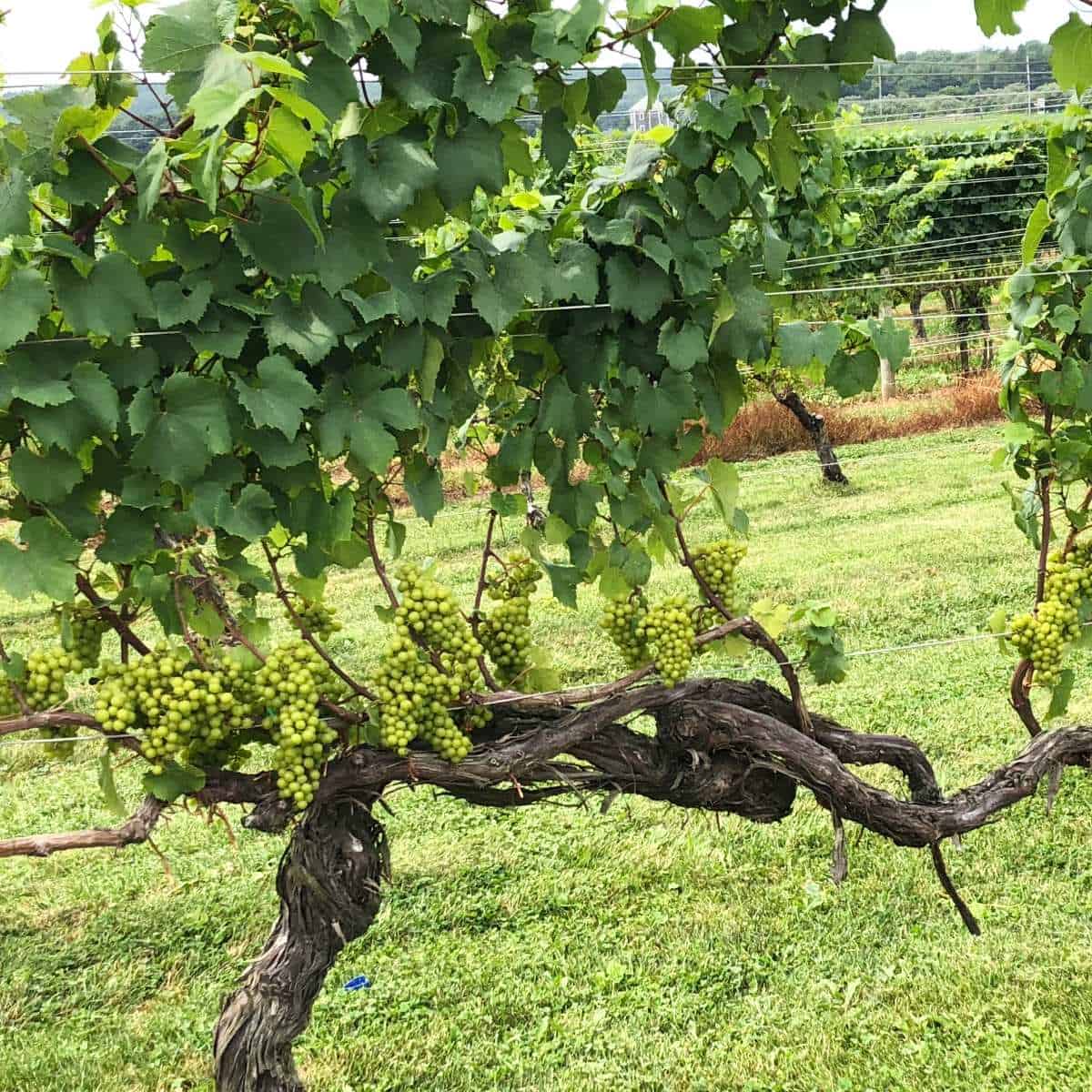
Participants are invited to create food and wine pairings featuring wines made with practices that benefit the environment. This can include wines that are organic, sustainable, regenerative, biodynamic, or natural-terms you've likely seen on labels or in wine shop descriptions, but that can sometimes be a bit confusing in terms of what they mean and how they differ.
This theme provides a great opportunity not only to share pairing ideas, but also to learn more about these approaches-and how they may influence the wines we drink.
What do we mean by “Green Wines”?
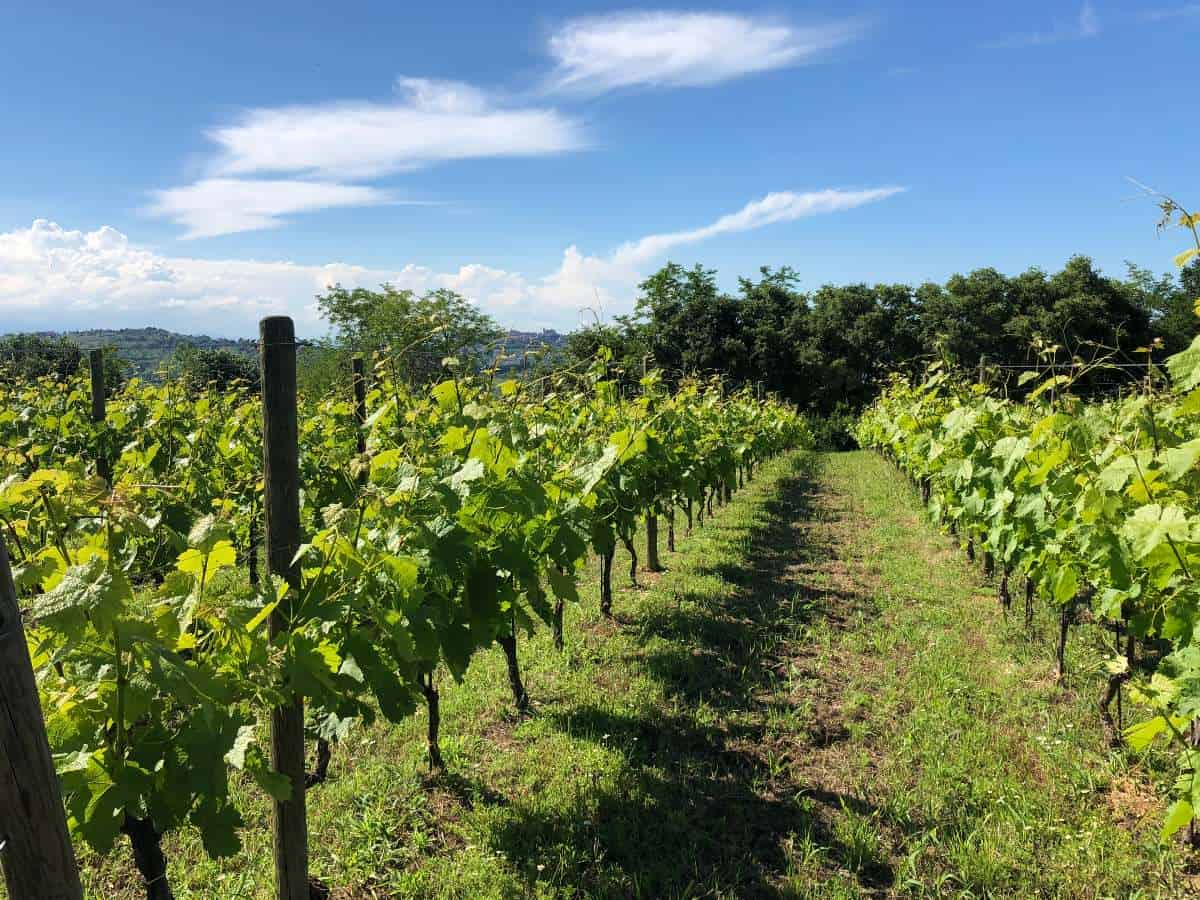
There isn't one single definition of "green wines," but the term is often used to describe wines made with practices intended to reduce environmental impact or improve long-term sustainability. Here are some of the most common categories:
Organic wines are made from grapes grown without synthetic pesticides, herbicides, or fertilizers. In addition, they can’t use genetically modified fruit. In the U.S., organic certification is regulated by the USDA; in Europe, similar standards apply under EU organic labeling rules. See the USDA’s organic wine page for more information.
It should be noted that the process of getting certified as an organic winery can be time consuming and expensive. There are a good number of wineries that follow organic practices but have not pursued certification.
Sustainable wines come from vineyards that aim to balance environmental responsibility with economic and social considerations. These programs vary by region and are often certified by organizations such as SIP Certified or Lodi Rules sustainable grapes.
While sustainable and organic winemaking processes often overlap, they are distinct terms. Sustainable wines might use organic grapes, but that isn’t necessarily the case in each instance.
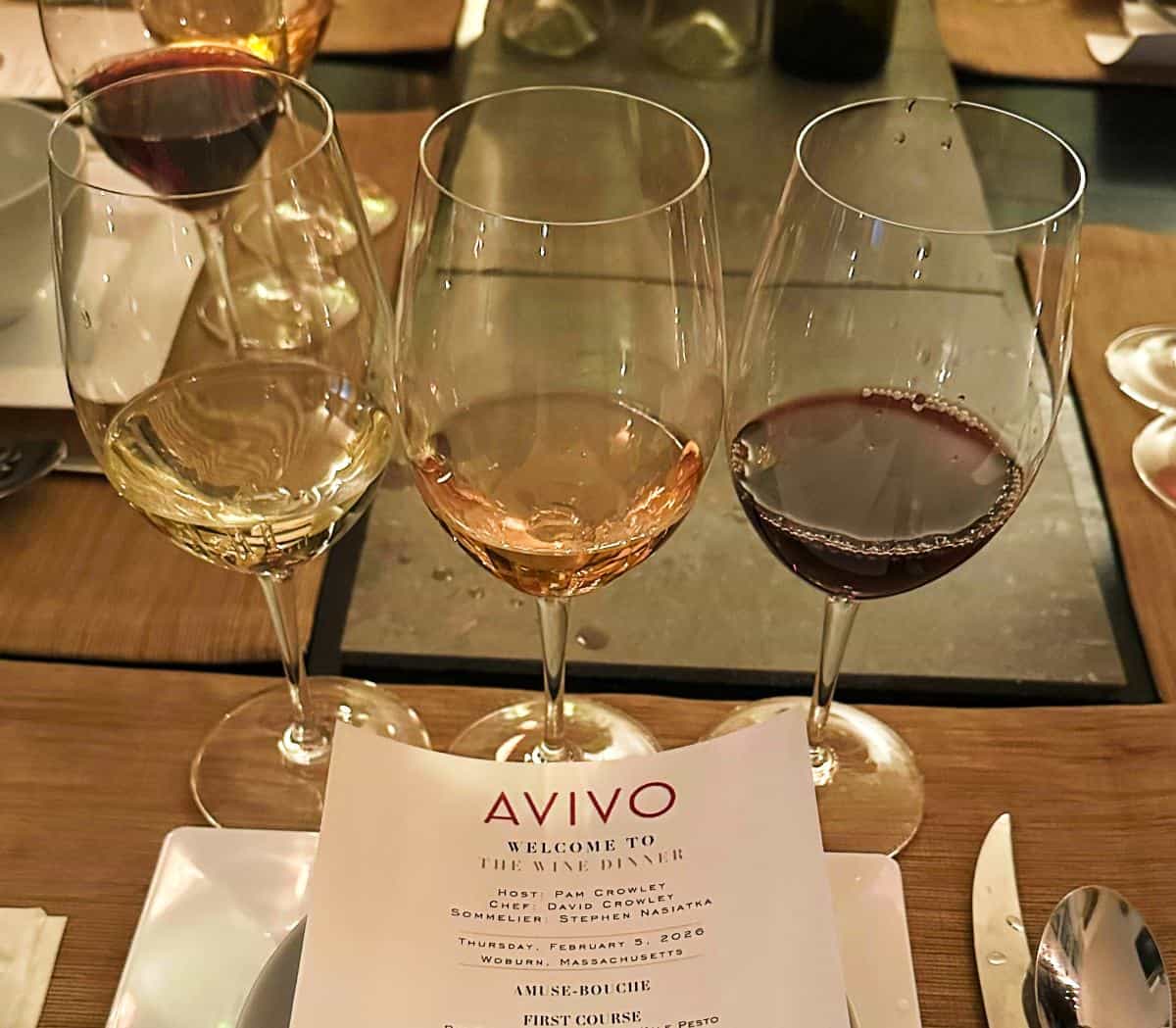
Regenerative wines go a step further by focusing on improving soil health, biodiversity, and ecosystem resilience. Practices may include cover cropping, composting, and minimizing soil disturbance. Read more about regenerative viticulture on the Wine & Spirit Educational Trust website. I’ll be talking about one regenerative practitioner, AVIVO Wines, in my upcoming article.
Biodynamic wines follow a holistic farming philosophy based on the ideas of Rudolf Steiner, treating the vineyard as a self-contained ecosystem. Biodynamic farming includes a range of practices intended to enhance soil health and biodiversity, some of which can sound unusual-such as the use of specific compost preparations, including one made by fermenting cow manure inside a buried horn.
While these practices can be a point of curiosity (or skepticism), many respected producers follow biodynamic principles with the goal of creating more expressive, site-driven wines. Demeter is a leading authority for the production of biodynamic wines. Troon Vineyard, King Estate and Benziger Family Winery are some examples of wineries following biodynamic practices.
Natural wines generally refer to wines made with minimal intervention in both the vineyard and the winery. This often includes organically or sustainably farmed grapes, fermentation with native yeasts, and little to no additives-especially reduced or no added sulfur. Unlike organic or biodynamic wine, there is no single governing body or strict definition, so the term can be used somewhat loosely.
Some wines under the "natural" umbrella have gained a reputation for being a bit funky or unconventional, with flavors and aromas that can differ noticeably from more traditional styles. These might include earthy, yeasty, or slightly oxidative notes. As a result, natural wines tend to inspire strong opinions-some people love their distinctive character and sense of individuality, while others find them unpredictable. Part of the appeal, and the debate, comes from that wide range of expressions.
How to participate
There is still time to join our April #winePW event focused on pairings with green wines. Here is how to participate:
- Obtain one or more bottles of wine that serves as an example of a “green wine”.
- Plan a food pairing or pairings to go with the wine.
- Let me know the title of your article about the wine and pairing by emailing me – david AT cookingchatfood.com.
- Post your article by 9 a.m. Eastern Time on Saturday, April 11. Include the links to the other participating bloggers in your article (I will provide the html code).
- Visit the other participating blogs, comment and share their posts!
- Use the #winePW hashtag when posting on social media about this event.
Green Wine Articles
Be sure to check out all these articles on our Green Wine pairings theme!
- Robin from Crushed Grape Chronicles is sharing “Dinner Pairings with Wines that Can Help Save the Planet“
- Wendy from A Day on the Life on the Farm is writing about “Algerian Chicken paired with Organic Wines from South Africa“
- Camilla from Culinary Cam shares “Ranch Wine: Bonterra Reimagines California Wine for Casual Sipping“
- Martin from ENOFYLZ is talking about “Vale do Bomfim Wines: Sustainable Pairings for the Spring Table“
- David from Cooking Chat is “Planning a Wine Dinner and Exploring Green Wine Pairings“
Leave a Reply