

January often invites a reset-an opportunity to look for something new. In the world of wine, many people stick with what's familiar. For some, that's a particular bottle they return to again and again. Others tend to stick with a region they know well, such as California for many American wine consumers.
Over the past year, I had the chance to explore wine through winery visits in five different states that don't always come to mind when people think about American wine: Massachusetts, Connecticut, Rhode Island, Texas, and South Dakota. Some of these visits were close to home, others much farther afield.
What connected all of these experiences was a reminder that wine is produced in more places-and in more interesting forms-than we often assume. From coastal New England to the plains of the Midwest, these visits offered new perspectives on wine, in settings that reward curiosity more than preconceived notions.
Jump to:
Connecticut: A Fall Winery Stop on the Way to Mystic
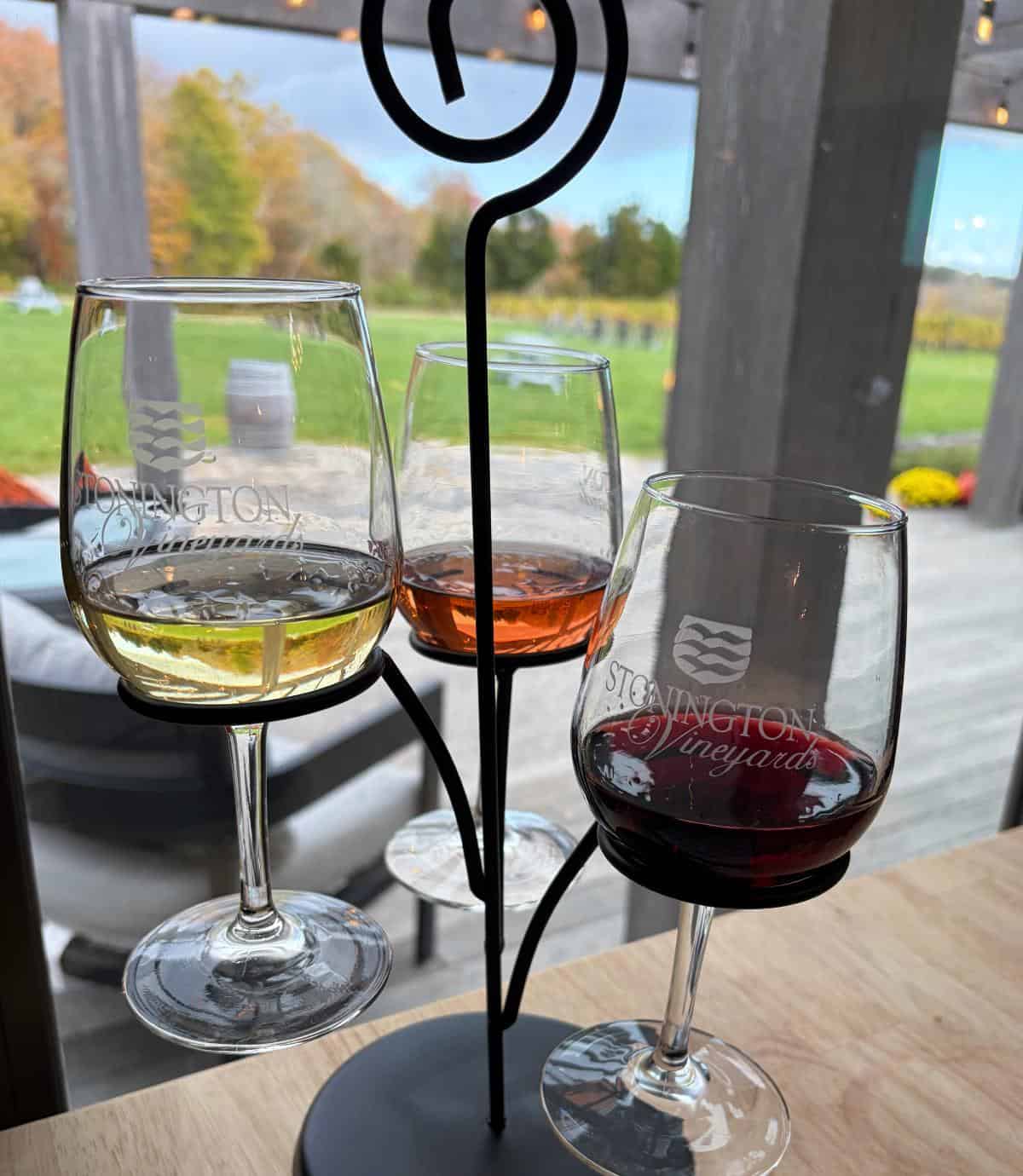
We figured a stop at a winery would make a nice start to our quick weekend getaway to Mystic, Connecticut. So we set our course for Stonington Vineyards, which would put us a short drive from our destination for the evening.
Located in southeastern Connecticut near the Rhode Island border, Stonington Vineyards is one of the state's better-known wineries and an easy stop when traveling along the coast.
Although Connecticut is convenient to us in the Boston area, this was our first visit to a winery in the state. It was a beautiful New England October afternoon for a winery visit. Plenty of sunny moments between the passing puffy white clouds to show the vines in a brilliant golden brown. The trees surrounding the vineyard were in their full fall glory.
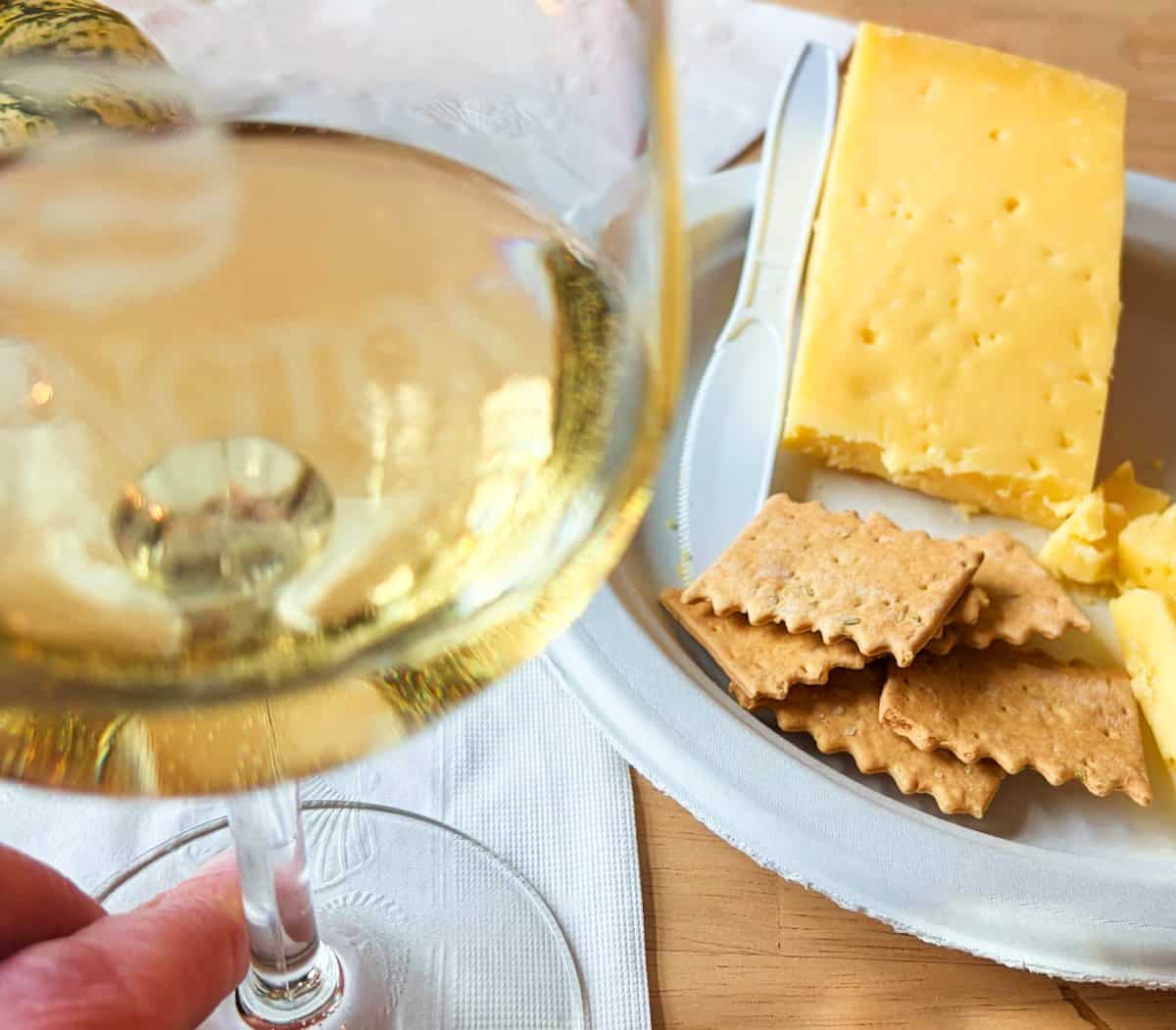
Jodi and I each selected a couple of wines to try. The best choice was grabbing some of the local cheese that they had available! The Cato Corner Farm Vivace cheese was delicious on its own, and excellent paired with the Chardonnay, which was my favorite wine in their lineup. I also tasted their rosé and Cabernet Franc.
We enjoyed sipping the wine along with the cheese and a view of the vineyard out the window. It was a bit chilly, but pleasant enough to walk around the vineyard a bit before heading to Mystic. The stop at Stonington was a good start to our weekend! We would soon be hungry for dinner at Shipwright’s Daughter. This turned out to be my favorite meal of the year, but that is another story (see our Favorite Food and Wine Pairings article).
Rhode Island: A High-Quality Winery with Ocean Views
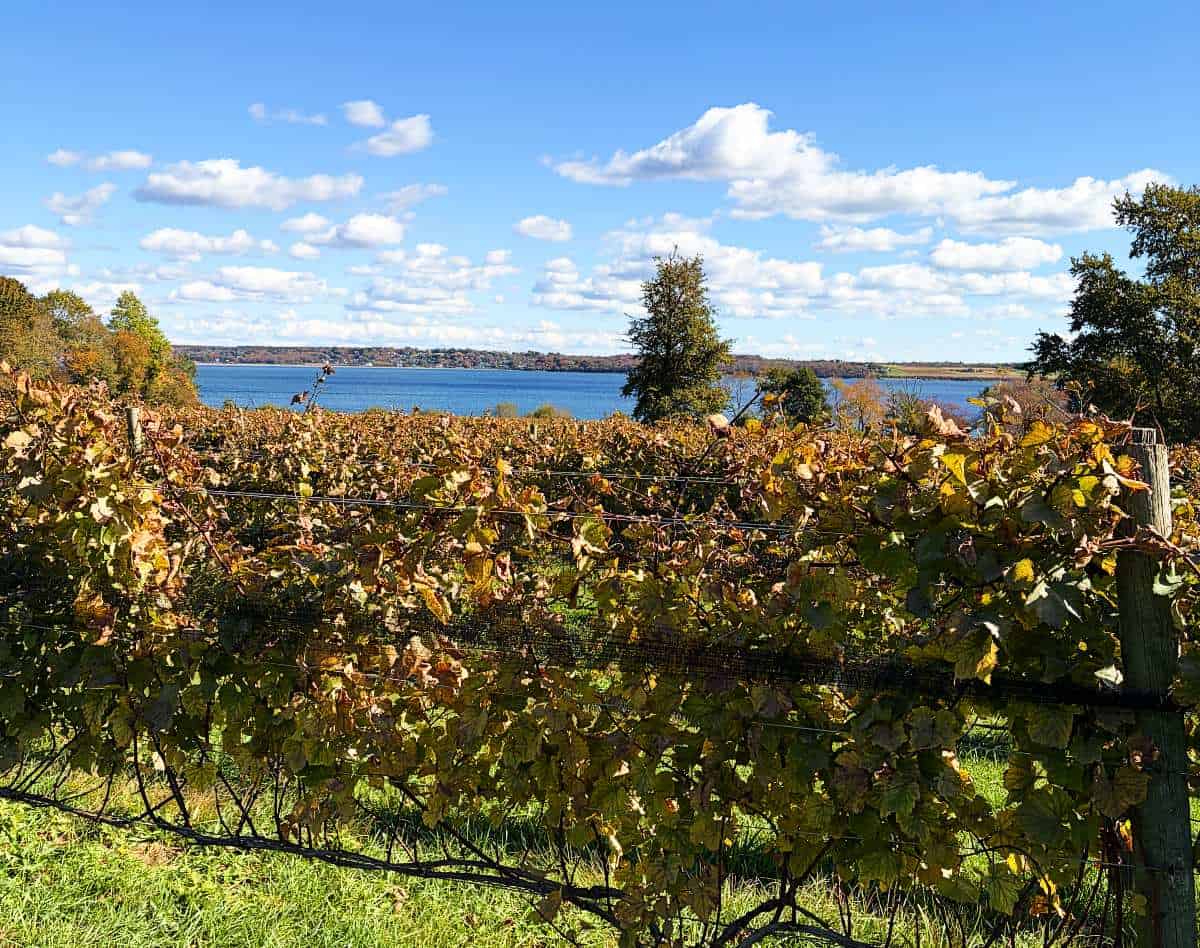
After our stop in Connecticut, we continued on toward Rhode Island, passing Newport and crossing the long bridges that keep the ocean in view for much of the drive. By the time we turned onto the dirt road leading to Greenvale Vineyards, the sense of place was already well established. The winery sits at the end of a small peninsula, with views of the water beyond rows of golden brown grapevines-a classic coastal New England setting.
We headed for the tasting room to select our wines to sample. Given the climate challenges of New England, I was struck right away by how broad the lineup was.
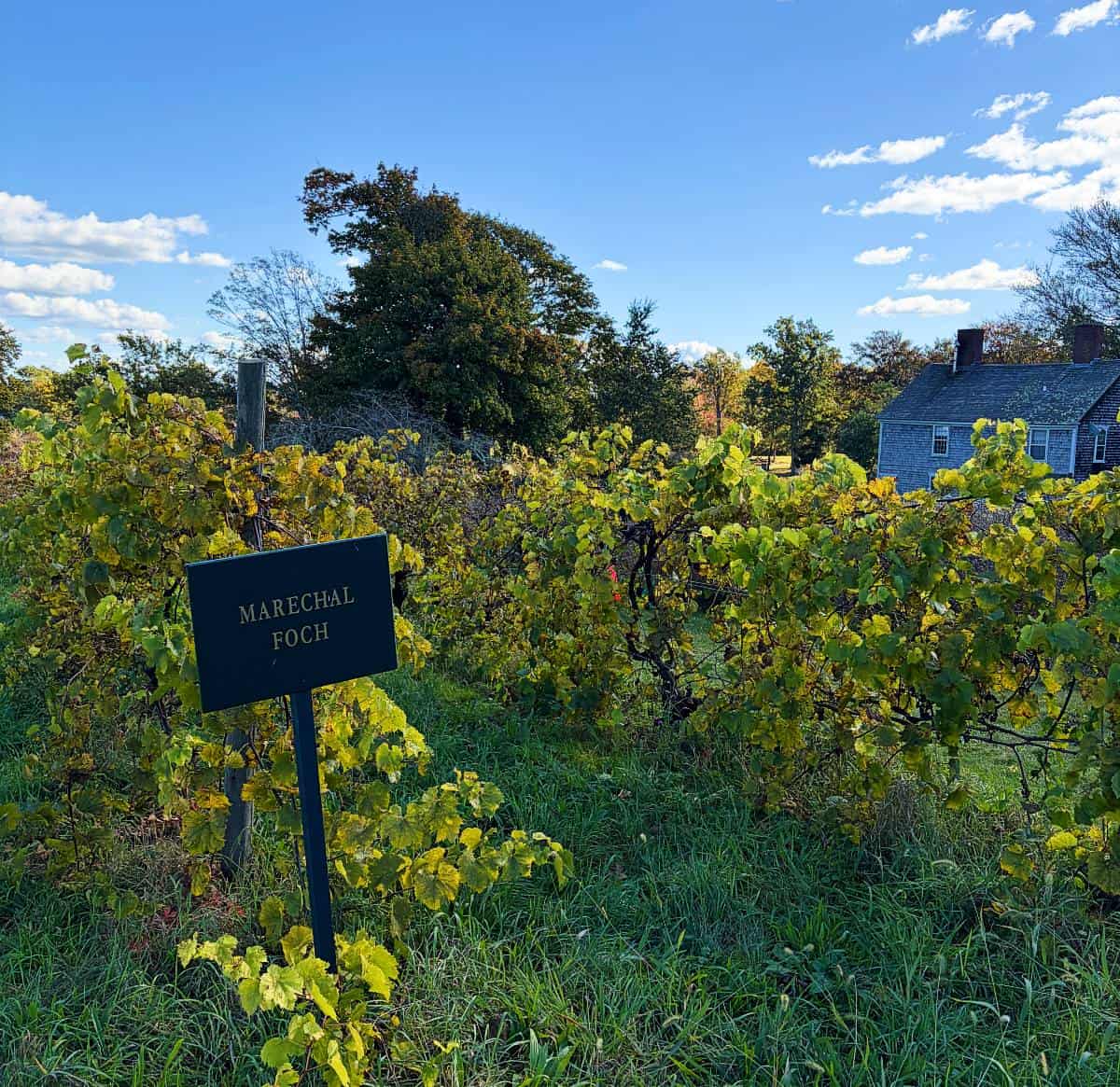
Available that day were a rosé of Merlot; a classic Pinot Gris alongside a skin-fermented version labeled as a Ramato; Vidal Blanc and Chardonnay; Albariño; a Meritage blend; and even Malbec. Between my Jodi’s selections and mine, we sampled a good cross-section of styles, and the overall quality across the lineup was consistently high.
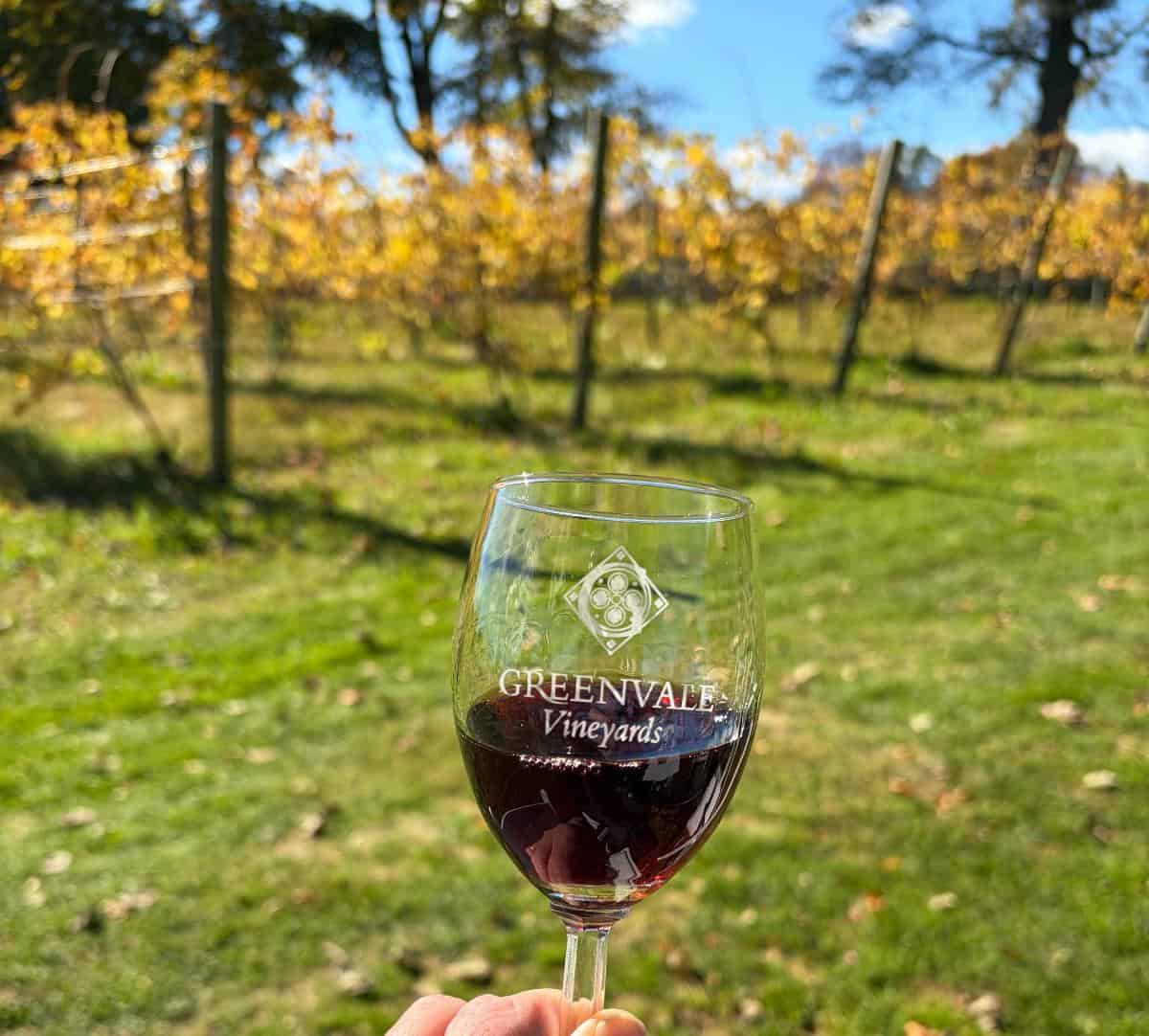
Greenvale was hosting a fall festival the day we visited, and we arrived early as things were just getting underway. As we tasted, local food purveyors were setting up and families were beginning to arrive, giving the place a relaxed, welcoming feel. After getting started with the wine, we decided to grab lunch from one of the vendors and settled in to enjoy both. The prosciutto, mozzarella, and truffle cream sandwich I ordered was definitely a wine pairing friendly selection!
The tasting room itself is housed in a historic farm building, rustic but spacious, and reflective of the property's long history as both a working farm and a winery. It was just warm enough that day to sit outside with our glasses, enjoying lunch and looking out over the vineyard as the festival gathered momentum.
While we limited ourselves to buying just one bottle to take home-having already spent plenty over the weekend-the visit left a strong impression. It's the kind of place that makes you think about a return visit, or perhaps joining the wine club. Similar to my experience with Westport Rivers, Greenvale reminded me that coastal New England is capable of producing high-quality wines, especially when producers are willing to experiment with a wide range of grape varieties to find those best suited to the local climate and soil. That kind of experimentation can result in a broader range of well-made wines than many people might expect.
Massachusetts: A Familiar Winery That Still Has Something New
Westport Rivers Vineyard & Winery is a place I know well. I've visited many times over the years, am a member of the wine club, and have previously written about the winery and featured them on the Cooking Chat podcast. Because of that familiarity, Westport wasn't a discovery in the same sense as some of the other winery visits in this article-but it still offered something new.
We visited over the Fourth of July weekend, and the tasting lineup that day included several wines that reflected the winery's continued experimentation. Among them were a Grüner Veltliner, a Geisenheimer (a fairly uncommon grape), and their 2024 Westport Nouveau. Made in the spirit of a Beaujolais Nouveau but using Marquette-a cold-hardy hybrid grape-the Nouveau was a fun, seasonal wine and a good example of how producers in cooler climates adapt traditional styles to local conditions.
One wine I didn't taste but spent time talking about was their Saperavi. The team member pouring that day was clearly excited about it, as this was their first bottling of the wine. Based on that conversation and the winery's recommendation to age it, I decided to buy a bottle to put away for a few years and see how it develops.
Visiting Westport, along with Greenvale and Stonington, in 2025 was a reminder that coastal New England has a lot of excellent wine to explore. My other wine discoveries that year took me further afield.
South Dakota: Finding Wine in an Unexpected Place
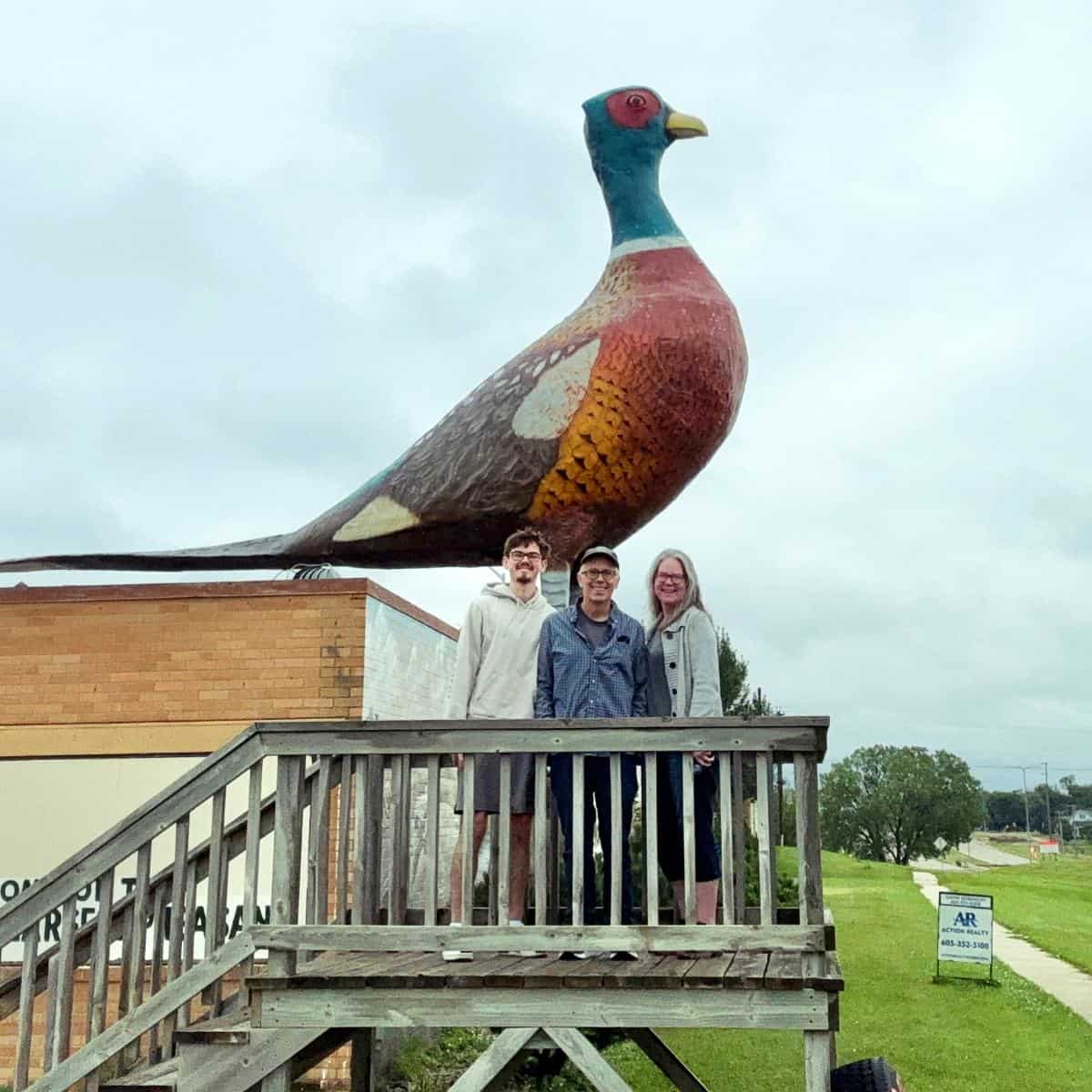
Huron is not a place most people associate with wine – if anything, they might associate it with South Dakota’s state fair, or perhaps the world’s largest pheasant statue! Located in the eastern part of the state, far from the scenery typically linked with wine tourism, Cornerpost Vineyard & Winehouse visited offered a reminder that wine can be found in nearly every U.S. state-often shaped more by climate and ingenuity than by tradition.
Because of South Dakota's cold winters, the wines here rely heavily on hybrid grape varieties selected for their ability to survive and ripen in challenging conditions. This included one grape, Itasca, that I hadn’t come across before. This focus on hybrid grapes immediately sets the wines apart from those made in more familiar regions, and at least one of the grapes I tasted was new to me. Rather than trying to imitate wines from elsewhere, the focus here was on working within local realities.
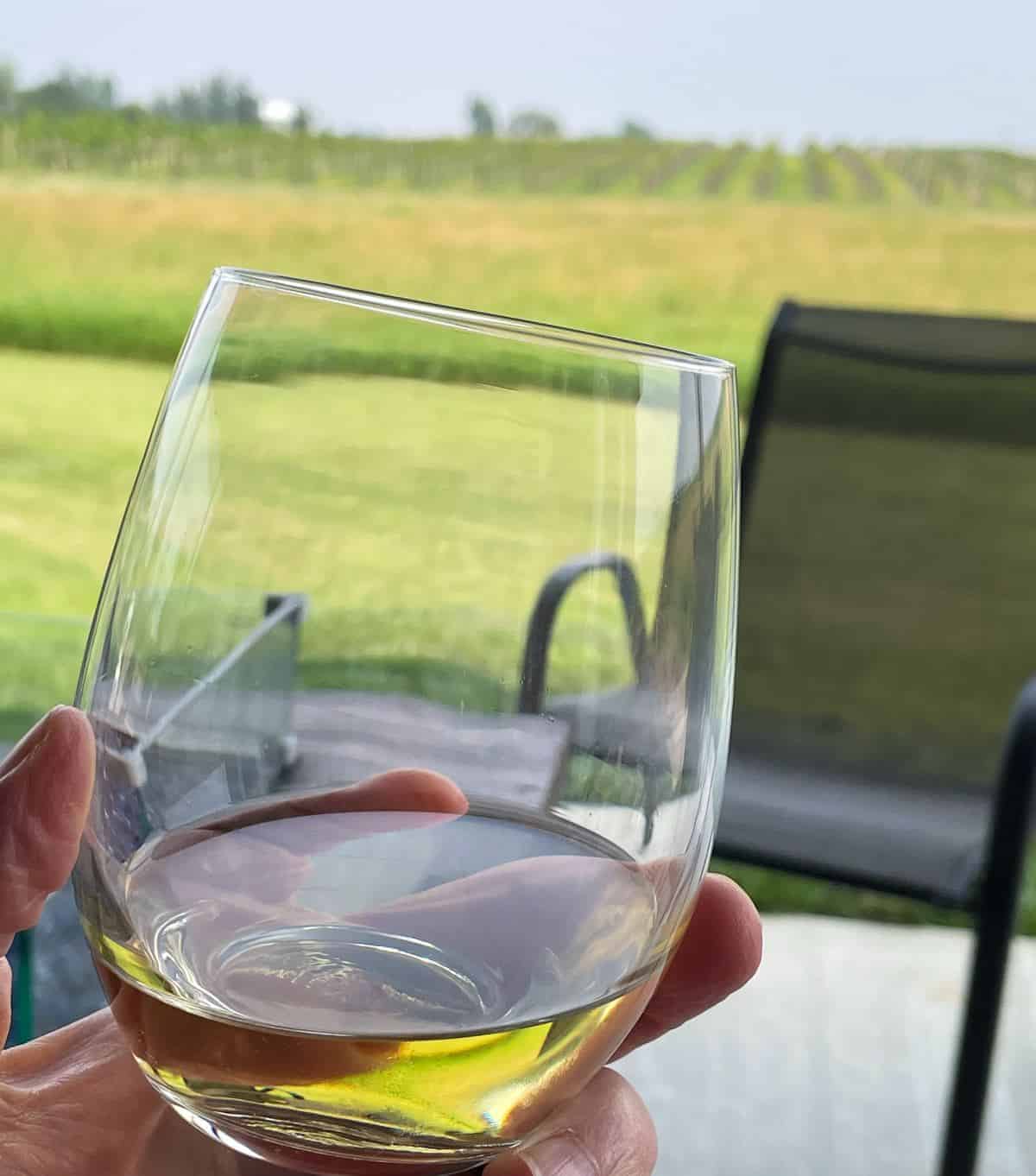
The wines we tasted were enjoyable to sip on a hot summer day with a view of grapevines and corn fields. We liked what we tried enough to grab a couple bottles to pair with the simple meals I was cooking at our Airbnb.
As with another hybrid-focused winery I visited years ago, this stop reinforced the idea that adaptation and experimentation are central to winemaking in many unexpected places. South Dakota may sit at the far edge of most people's wine maps, but the experience was a useful reminder that curiosity-and good wine-can turn up well beyond the usual boundaries.
Texas: A Destination Worth Visiting for Wine
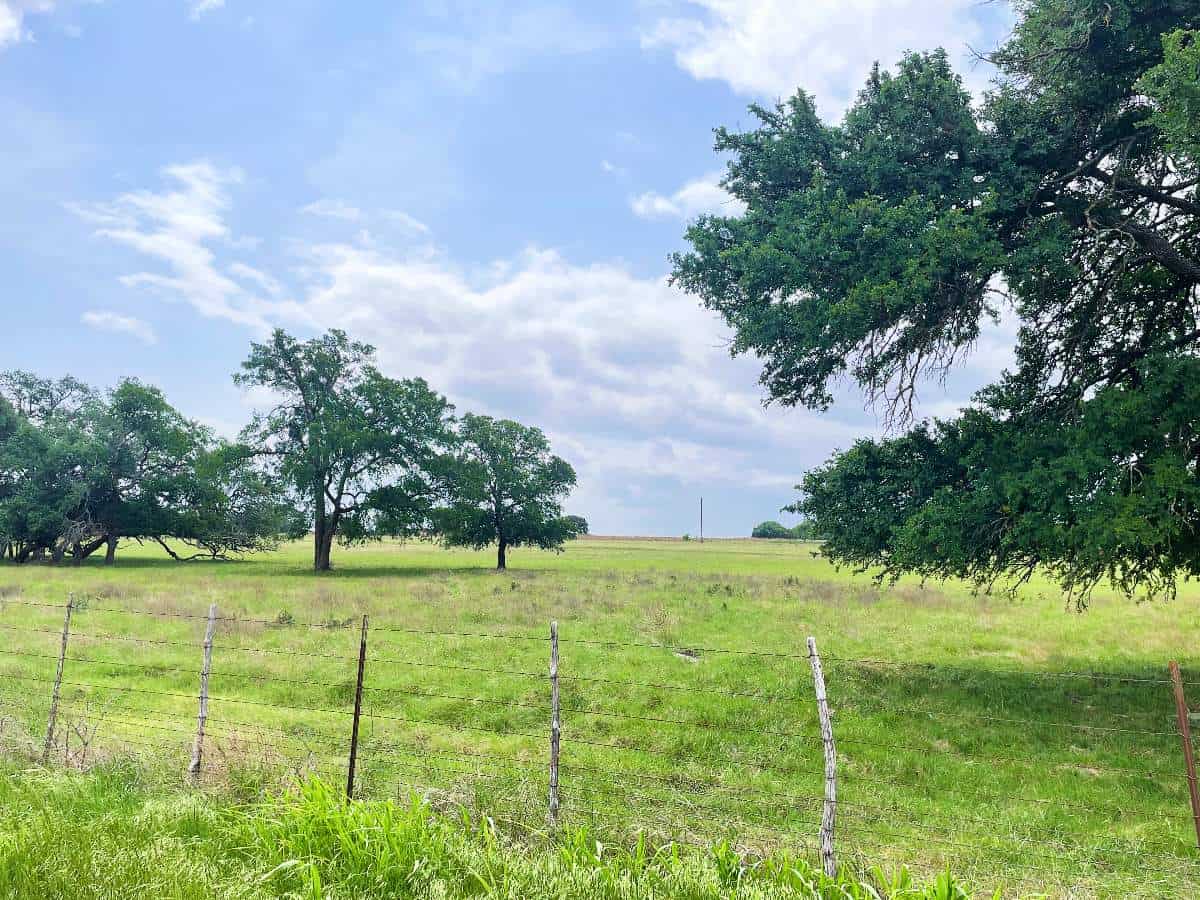
Texas Hill Country was a primary focus of a spring 2025 trip, and my first opportunity to visit wine country there in person. I had sampled Texas wines before and was curious to see how the region translated from bottle to place. While my son was attending a film festival and workshop in Austin, I spent time exploring wineries in the Hill Country, focusing on producers working with Texas-grown grapes.
That choice was intentional. Some wineries in the area cater primarily to tourism, sourcing fruit from California, but I sought out producers committed to local vineyards and grape varieties suited to the region's climate. What I found was a mix of styles and approaches, along with a clear sense that a number of producers are making serious, thoughtfully crafted wines. The quality of some of the wines I tasted would compare favorably with much more expensive bottles from well-known regions in France or California.
Texas wine may still surprise many people, but the combination of scale, ambition, and a growing number of top-notch producers suggests it deserves to be taken seriously-not just as a curiosity, but as a wine destination in its own right.
More on the Something New Theme
Exploring wineries in these five states over the past year was a reminder that trying something new in wine often means looking beyond the usual places, not just unfamiliar bottles. For more takes on this month's Something New theme, be sure to check out the articles from my fellow wine writers below.
• Jeff from foodwineclick shares “Explore the Wilds of Spain in Priorat”
• Deanna from Wineivore shares "The Slovakian Princess Grape: Pesecká Leánka"
• Wendy at A Day in the Life on the Farm shares "Exploring Garda Bianco from Poggio delle Grazie as we enter 2026"
• Cathie at Side Hustle Wino shares "The Mystery of Korean Ginseng Wine Explored"
• Jeff at Food Wine Click! shares "Explore the Wilds of Spain in Priorat"
• Jennifer at Vino Travels shares "Where Italy's Largest Lake Meets the Vineyards: Discovering Garda DOC"
• Camilla at Culinary Cam shares "Armenia: A Wine Story Spanning Six Thousand Years"
• Susannah at Avvinare shares "Friuli Venezia Giulia: Rosazzo Discoveries"
• Our host, Lynn, at Savor the Harvest shares "Wine Explorations 2026: regions, wineries and varieties, featuring négrette and Applegate Valley AVA"
Lynn
Greenvale Vineyards especially caught my eye with a couple of hybrids and a Ramato. Then the hybrid focus at Cornerpost. What you say, “…adaptation and experimentation are central to winemaking in many unexpected places.” is key these days. Thanks for sharing your wine explorations!
Cooking Chat
Thanks for the feedback and hosting, Lynn!
Wendy M. Klik
Thank you, David, for sharing your travels with us. Happy New Year.
Catherine Schafer
I couldn’t wait to read this article David. I live in Georgia and we have a thriving little wine region in the northern part of the state that everyone is always shocked to hear about, so I love finding about other lesser known regions as well. Great read!
Cooking Chat
Thanks Cathy! I haven’t been to a winery in Georgia…yet!
Jen Martin
I’ve been fortunate to see my best friend get married at Stonington, but I haven’t been to the others. I have tried Westport sparkling wine though that I enjoyed. It was interesting reading about the others.
Cooking Chat
Stonington would be a great spot for a wedding. Westport is best known for sparkling, but they make a pretty interesting variety of still wines, too.