

Chimichurri sauce is a classic Argentine herb sauce made with fresh parsley, garlic, vinegar, and olive oil. It's most often served with steak, but its bright, fresh flavor also works well with pork, chicken, and vegetables.
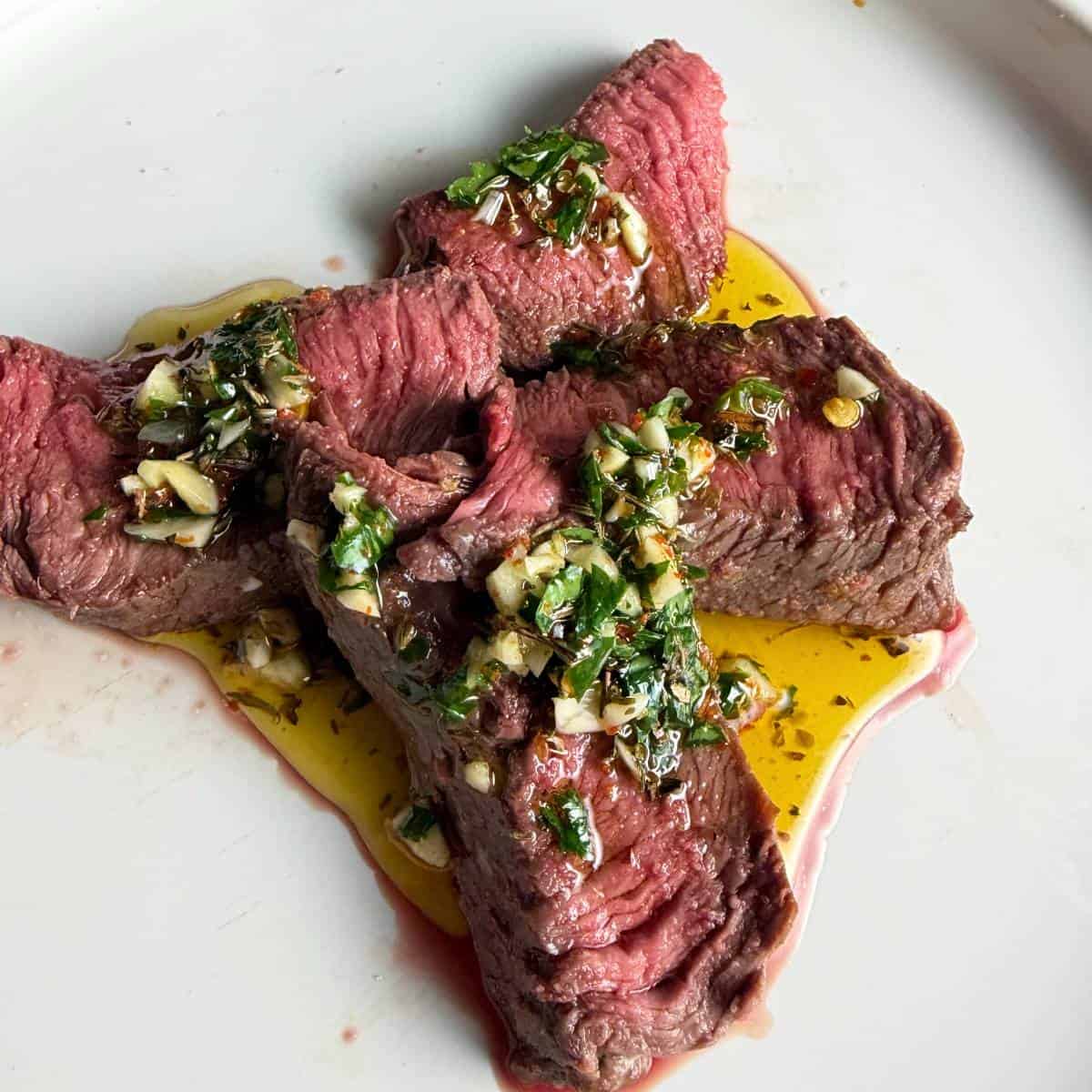
Chimichurri sauce is definitely one of my go-to options for a quick way to add a flavor boost to steak and other meats. I love the way the freshness of the parsley combines with the bite from the garlic and red pepper flakes, and how the flavors meld together.
Chimichurri sauce is easy to make, and is a great way to use parsley that you might have on hand. While steak is the most common use for chimichurri, I also like it on pork and other dishes.
A sauce enjoyed at home and abroad! During a recent trip to Barcelona, we visited an Argentine steakhouse where I ordered a mixed grill served with chimichurri. I ended up chatting with our server, who was from Argentina, and was struck by how similar their version tasted to the one I make at home-fresh, garlicky, and nicely balanced with acidity.
Jump to:
What is chimichurri?
Chimichurri is a simple herb sauce that originated in Argentina and Uruguay, traditionally served with grilled meats. It is typically made with finely chopped parsley, garlic, vinegar, olive oil, and seasonings such as dried oregano and red pepper flakes.
Unlike creamy sauces, chimichurri is light and vibrant, with a balance of fresh herbs, acidity, along with some heat. It comes together quickly with no cooking required, which makes it an easy way to add flavor to a wide range of dishes.
Why chimichurri is perfect for steak
Chimichurri pairs especially well with steak because it complements the richness of the meat without overpowering it. The acidity from the vinegar helps cut through the fat, while the fresh parsley and garlic add brightness and contrast.
When spooned over sliced steak, the sauce adds both flavor and texture, highlighting the seared exterior and tender meat. It's a classic sauce used in Argentine cooking, and it works well with a variety of steak cuts, including NY strip, sirloin and flank steak.
Ingredients
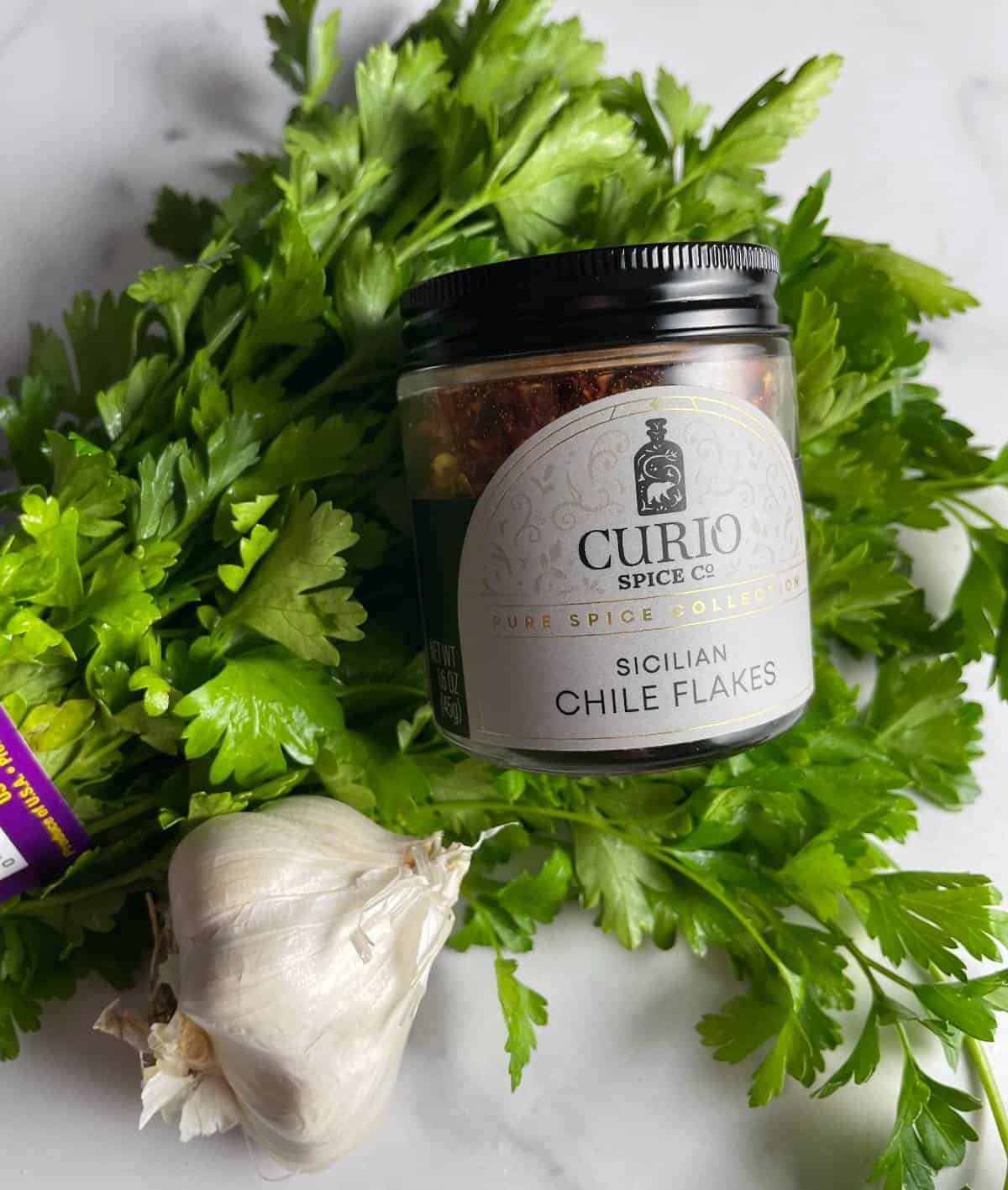
Fresh Parsley Parsley is the foundation of chimichurri, providing its bright, fresh flavor. This is one ingredient where fresh really matters. If you want to experiment, you can also try variations like using carrot tops, which I've done with good results.
Garlic Fresh minced garlic adds a sharp, savory bite that balances the herbs. It's a key part of what gives chimichurri its bold flavor.
Red Pepper Flakes Red pepper flakes bring a subtle heat to the sauce. You can adjust the amount based on your preference, or use a higher-quality chile flake if you have one on hand.
Vinegar Vinegar adds the acidity that brings everything together. Red wine vinegar is traditional, but I often use a lighter vinegar like Champagne vinegar. Either works well, so feel free to use what you have available.
Oregano (and Optional Dried Herbs) Oregano is a classic ingredient in chimichurri, adding an earthy, slightly savory note that complements the parsley. I typically use dried oregano, which blends nicely into the sauce. I also like to add a bit of dried thyme and tarragon for extra depth-those aren't traditional, but they work well with the fresh herb profile.
How to make chimichurri
Here’s an overview of how to make a classic chimichurri sauce. Visit the recipe card for all the detail.
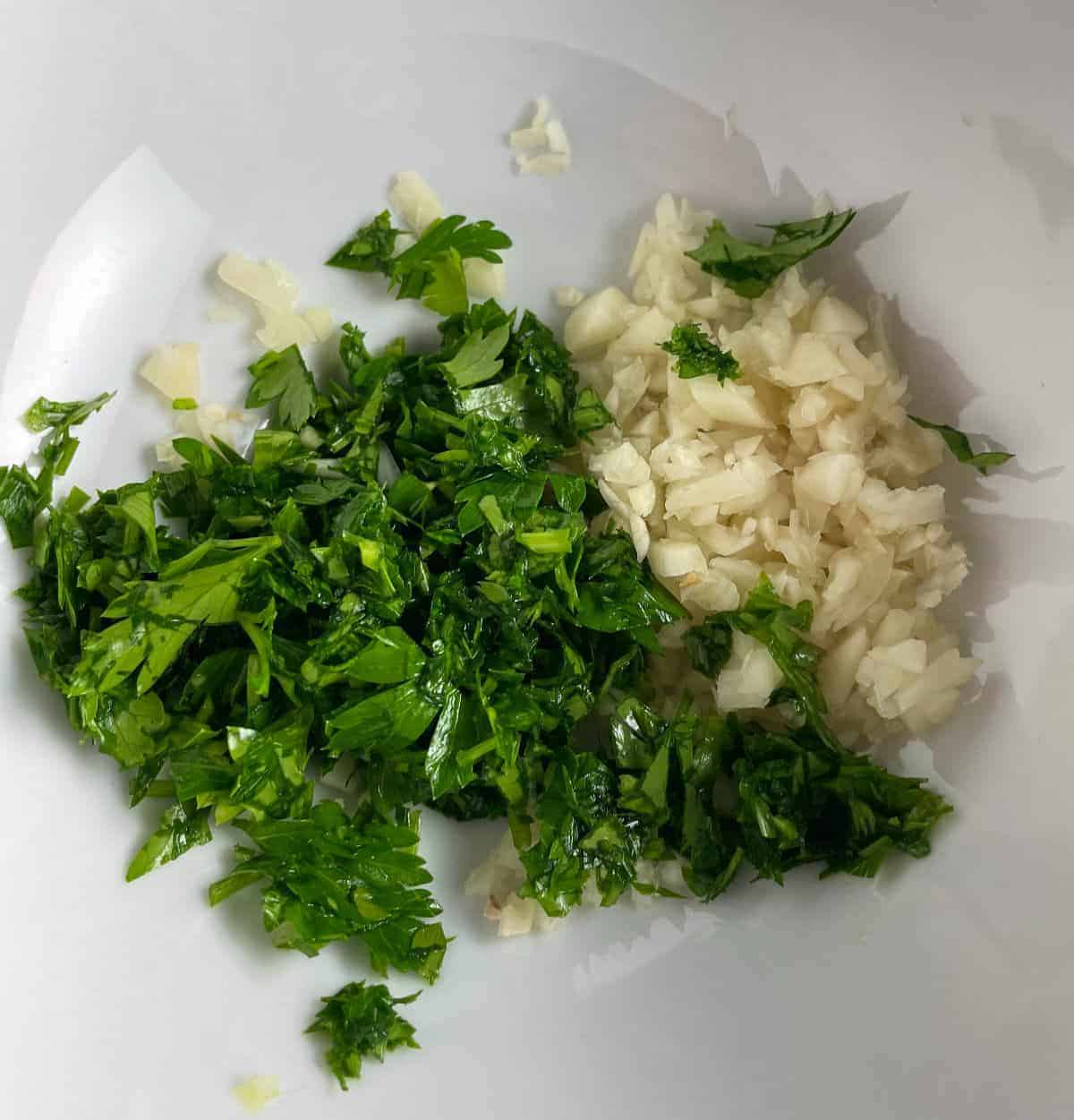
Start by adding the garlic and parsley to a bowl.
Stir in the rest of the ingredients, from olive oil through crushed red pepper flakes. Stir to combine the ingredients thoroughly.
Season with salt and pepper to taste.
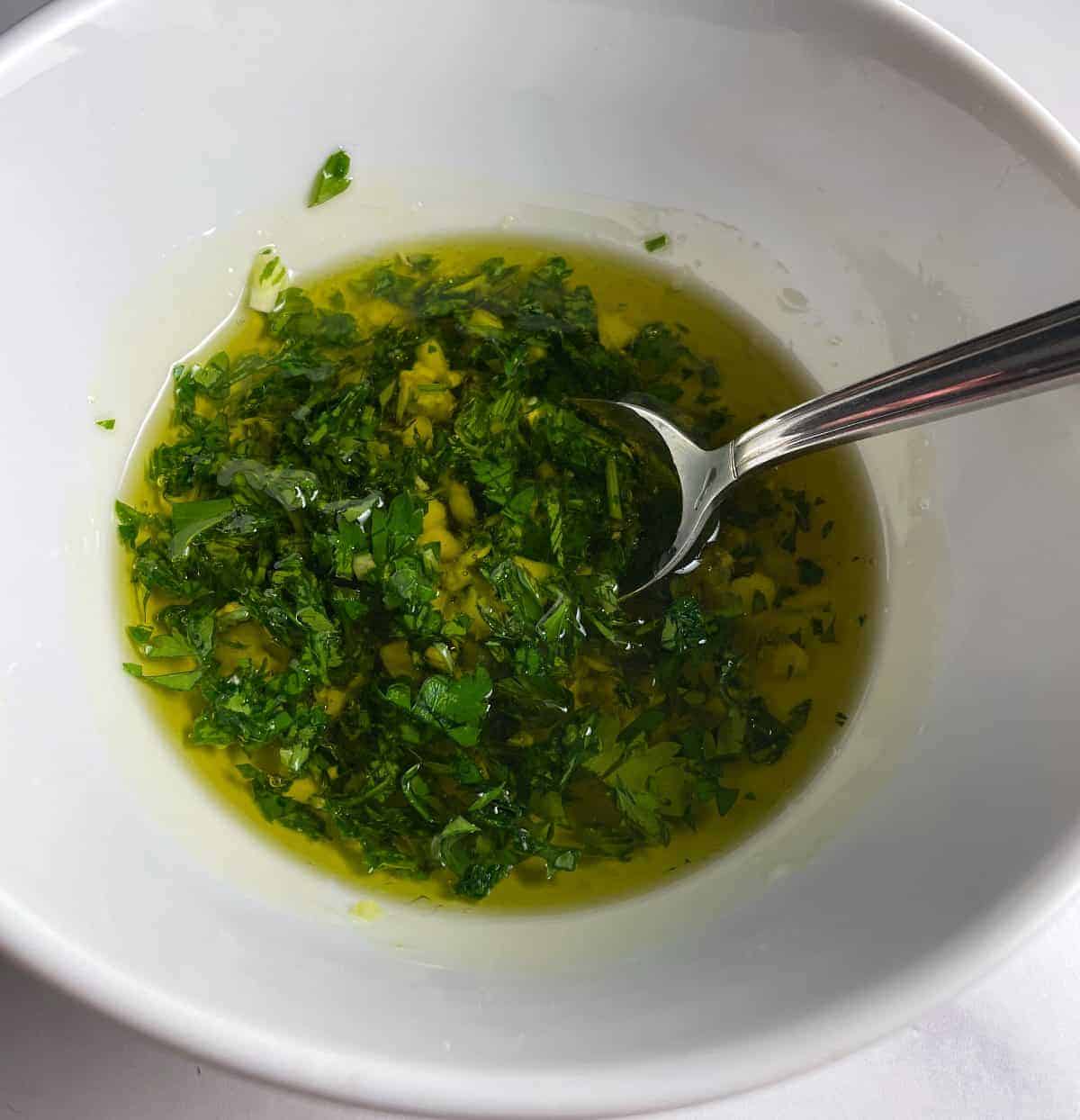
Set aside for 15 to 30 minutes to let the flavors combine, at room temperature. If making ahead, you can refrigerate up to a day before using. Take the the chimichurri sauce out of the refrigerator for about 30 minutes before serving it.
Ways to use chimichurri
Chimichurri is incredibly versatile. While it's most commonly served with steak, I use it in a variety of ways throughout the week-especially for quick meals and leftovers.
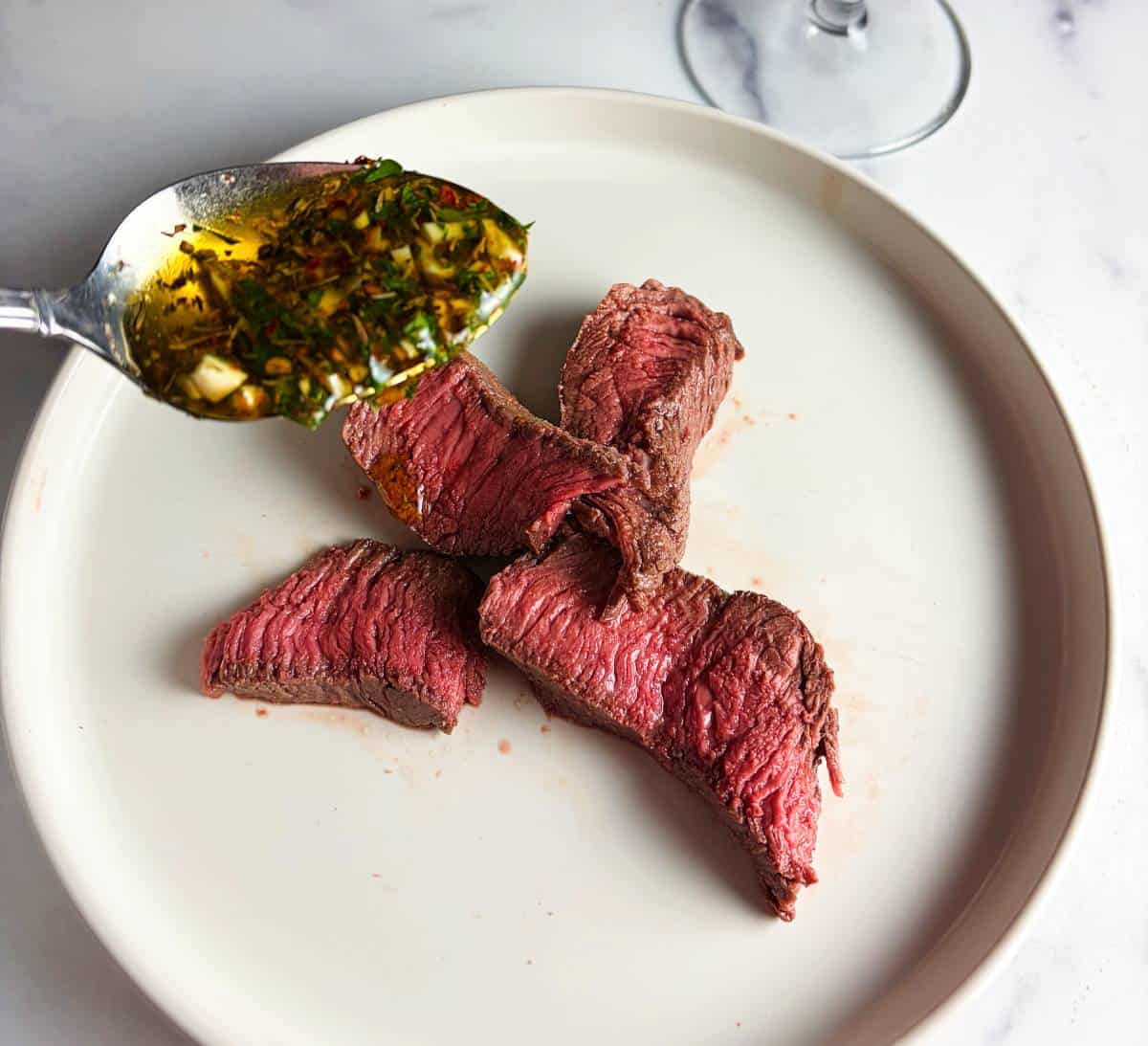
Steak Chimichurri is a natural match for steak. Spoon it over sliced steak just before serving to add lively flavors to the rich meat. It works well with cuts like NY strip, sirloin and flank steak. Check out our Denver Steak Recipe for another great use! Check out my Roasted Chimichurri Steak article for an example of what this looks like, along with wine pairings from Argentina.
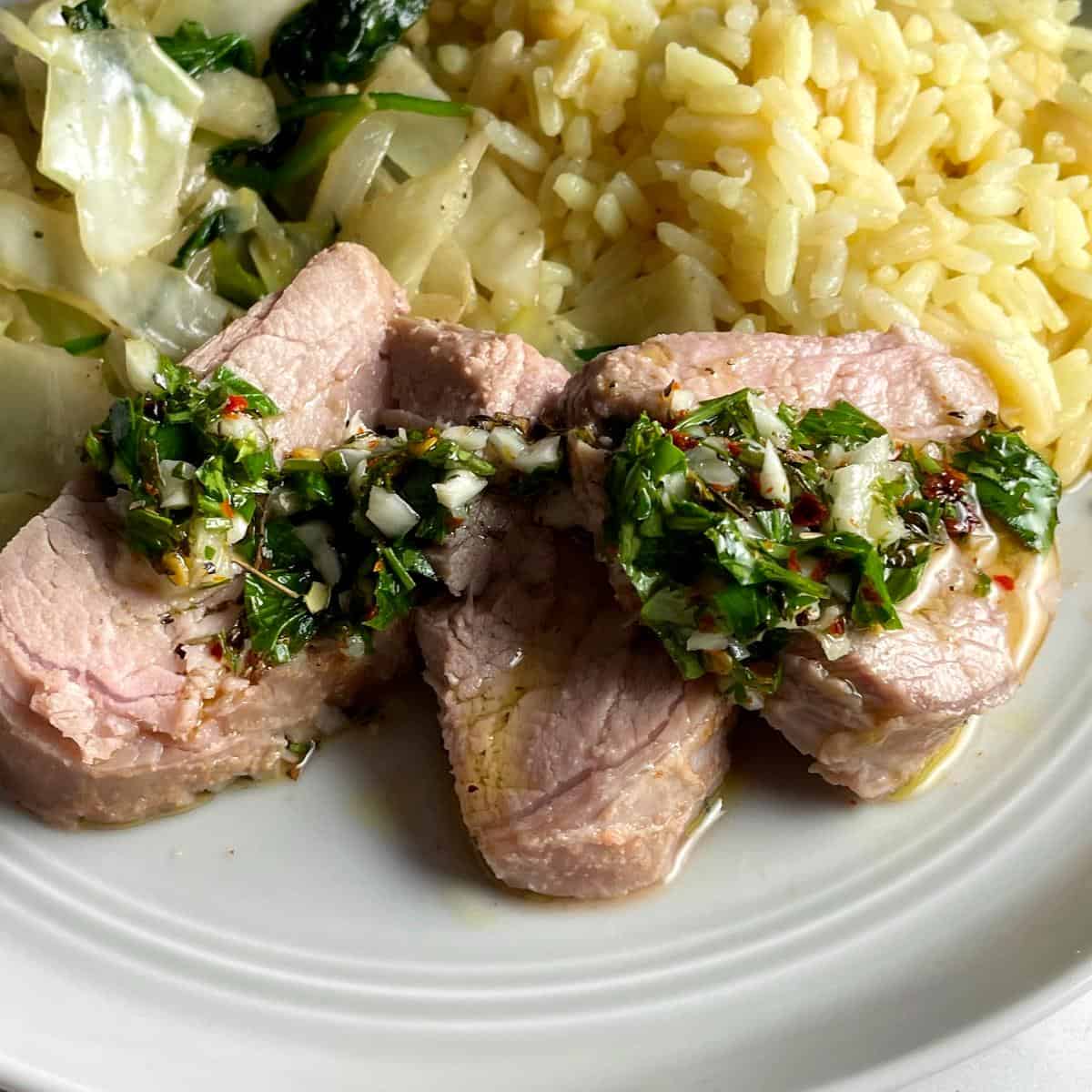
Pork The fresh, garlicky flavors also pair nicely with pork. I often serve chimichurri with pork tenderloin for an easy, flavorful meal.
Grain and Protein Bowls One of my favorite uses is for quick lunch bowls. Add a spoonful of chimichurri to leftover steak or chicken, along with grains and vegetables, for an easy way to bring everything together with fresh flavor.
Chicken and Other Proteins Chimichurri works well with grilled or roasted chicken, and can also be used to finish other proteins like lamb or even fish.
Vegetables Try chimichurri drizzled over roasted or grilled vegetables for a simple way to add color and flavor.
Wine Pairings for Chimichurri
Chimichurri is often served with steak, so bold red wines are a natural pairing. The sauce's acidity and fresh herbs also mean you want a wine with good structure and some savory elements.
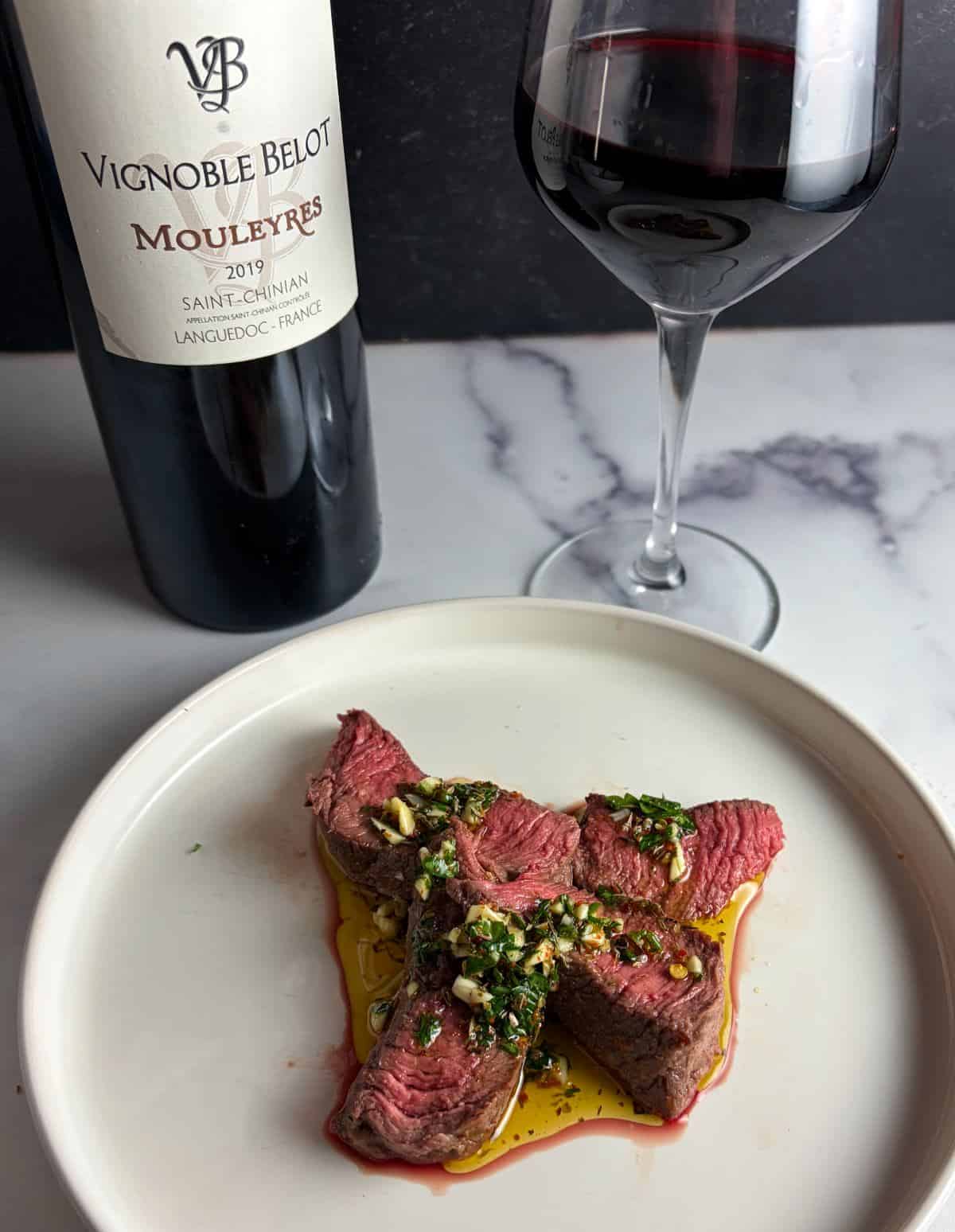
We recently made this chimichurri sauce to top a roasted sirloin steak. For this meal, we paired the steak and chimichurri sauce and a southern French blend from from St. Chinian, the 2019 Vignoble Belot Mouleyres ($17, 14% ABV). This blend from the Languedoc-Roussillon region is comprised of 60% Syrah, 25% Mourvedre and 15% Grenache.
The wine showed red berry fruit and black pepper on the nose, with plum and a touch of spice on the palate. The peppery notes complemented the steak nicely, while the fruit helped balance the bright, herbal flavors of the chimichurri.
More pairing ideas
Wines from Argentina, such as Malbec, are a natural partner for chimichurri. I covered Argentine wine pairings for chimichurri previously.
Syrah and Rhone-style blends can be good options. We also sometimes like to pair chimichurri with Zinfandel for a fruit-forward option.
PrintRecipe card
Classic Chimichurri Sauce

A zesty no-cook sauce from Argentina, featuring fresh parsley, garlic, spices and more. A flavorful sauce perfect for steak, pork and other uses.
- Prep Time: 15 mins
- Total Time: 15 mins
- Yield: 6 servings 1x
- Category: Sauce
- Method: no cook
- Cuisine: Argentine
Ingredients
- 4 cloves garlic, minced
- ½ cup chopped fresh parsley
- 1 tablespoon chopped fresh cilantro (optional)
- ½ extra virgin olive oil
- ¼ cup Champagne vinegar (see notes about other vinegar options)
- 1 teaspoon dried tarragon (optional)
- 1 teaspoon dried thyme
- 1 teaspoon dried oregano
- 1 teaspoon crushed red pepper flakes
- salt and pepper to taste
Instructions
- Mince the garlic and parsley, and place in a small bowl.
- Stir in the other ingredients, from olive oil through crushed red pepper flakes. Stir to combine well.
- Add salt and pepper to taste. Give the sauce a taste, adjust seasonings if desired.
- The sauce is ready to serve. Set aside for 15 to 30 minutes to let flavors meld, as you prepare other food, or refrigerate if making in advance.
Notes
- Vinegar: Traditional chimichurri is often made with red wine vinegar, but I prefer Champagne vinegar here for a brighter flavor and color that really lets the herbs shine. But you can go ahead and use red wine vinegar, sherry vinegar or white wine vinegar if you would like.
- Fresh herbs: fresh parsley drives the flavor of chimichurri. I use a bit of cilantro as well, if I have it, for a bright flavor.
- Make ahead tip: I often make the chimichurri before starting the meat and let it sit at room temperature while I cook. This helps the flavors come together nicely. You can also make it up to a day in advance-just refrigerate and bring to room temperature before serving.

Leave a Reply