

It’s been over six months since our trip to Spain, but I’m still savoring great memories of the trip that influence the wines I’m picking these days and the food pairings I’m enjoying with Spanish wine.
Our family often talks about how there are three aspects of a trip. There’s the anticipation of it, that includes planning and research to become more familiar with the destination. Of course, we have enjoying the trip itself. Then back home, we have wonderful memories of the trip, reinforced by photos and stories.
If you’re like me, the food and wine angle deepens the travel experience of all three phases. I was grabbing more Spanish wines ahead of the trip – including one from a winery I hoped to visit north of Madrid (more on that one at the end of this article). I enjoyed many great wine moments on the trip to Spain.
Today I’m writing about Spanish wine pairings back home, to share with you some of the pairings prompted by my trip, and perhaps to inspire your own exploration of Spain – through actually traveling there, or virtual visits through the glass and plate.
Jump to:
Spanish Wines at a Glance
If you’re looking for a few bottles to try, here’s a rundown of the wines covered in this article, along with approximate prices and the pairings that worked for me. More on each below.
| Wine | Region | Approx. Price | Paired with |
| Camins del Priorat | Priorat | $30 | Chimichurri Steak |
| Buil & Giné “Giné Giné” | Priorat | $25 | Grilled Paprika Pork Chops |
| Etiris GX | Alella, Catalonia | $20 | Pork Tenderloin & Mushrooms |
| Meraldis Gran Vino de Rueda | Rueda | $30 | Salmon with Kale Pesto |
| Raventos i Blanc | Penedes | $25 | Cheese, other apps |
| LAN Crianza | Rioja | $15 | Grilled Paprika Pork Chops |
| Cune Crianza | Rioja | $14 | Cheese, tapas |
| Señorío de P. Peciña Cosecha | Rioja | $12 | Olives, croquettes |
| Vilicus Rioja Crianza | Rioja | $15 | Braised short ribs |
| Numanthia Termes | Toro | $23 | Beef Empanada |
| Numanthia Termanthia (2016) | Toro | $250+ | Dry-aged ribeye, patatas bravas |
| Atteca Old Vines Garnacha | Catalayud, Aragon | $18 | Slow Cooker Pulled Pork |
| Altitud Garnacha Vino de Pueblo | Sierra de Gredos | $25 | Corned Beef & Cabbage |
Prices are approximate US retail, as of October, 2026. Prices will vary by market and vintage.
Catalan Food and Wine Pairings
Barcelona was the primary destination of our trip, and we also enjoyed a brief stay in the Catalan city of Girona. So I’m starting by sharing wine pairings featuring bottles from Catalonia.

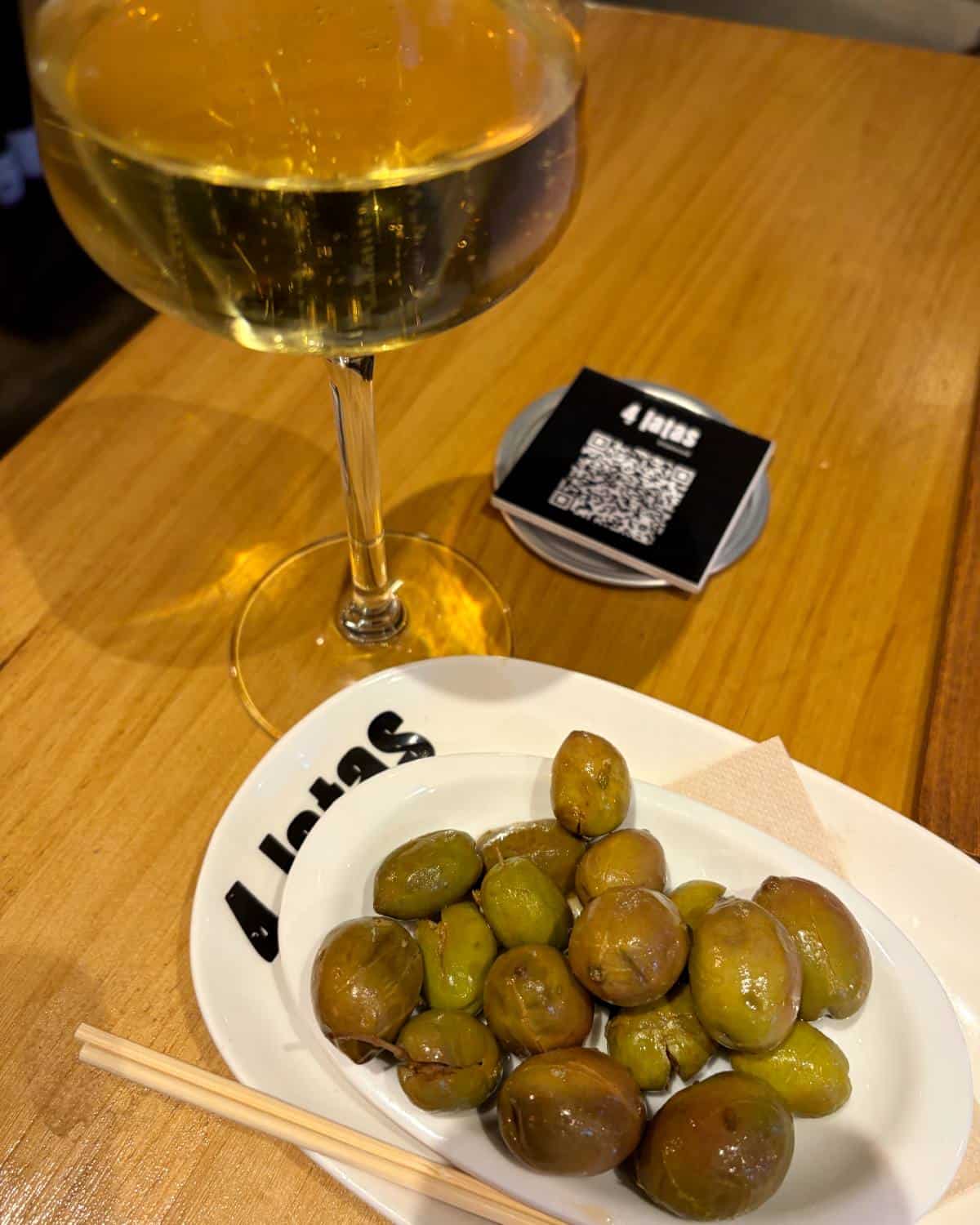
was a Barcelona ritual
Catalonia occupies the northeast corner of Spain, bordered by France to the north and the Mediterranean to the east, with Barcelona as its capital. It has a long history as a distinct realm, with its own language, laws and culture going back to the Middle Ages, and Catalan is still widely spoken there today alongside Spanish. That Catalan heritage extends across the French border into the Roussillon area, which I explored during our time in Banyuls-sur-Mer.
Its wine regions include Penedès, the center of Cava production, Alella just up the coast from Barcelona, and Priorat, inland to the southwest. Empordà, near Girona, sits just south of the French border, not far from where I did my winery visits in Banyuls-sur-Mer.
Priorat
Priorat is a small, mountainous region southwest of Barcelona, known for powerful reds grown in a black volcanic slate soil. It’s one of only two Spanish regions, along with Rioja, at the top Qualified tier. The reds are based primarily on old-vine Garnatxa and Carinyena, the Catalan names for Garnacha and Cariñena. International grapes such as Cabernet Sauvignon and Syrah are also often included in Priorat red blends. There is also a small amount of white Priorat produced (approximately 5%). I haven’t tasted a Priorat white that I recall.
I was tempted to try to get out to visit some wineries in Priorat from our base in Barcelona, but decided it was impractical during the short family trip. (I saved my winery visits for our time in Banyuls-sur-Mer.) But I enjoyed some great Priorat wines in Barcelona, along with other good Spanish wines, and always have an eye out for the opportunity to open one back home.
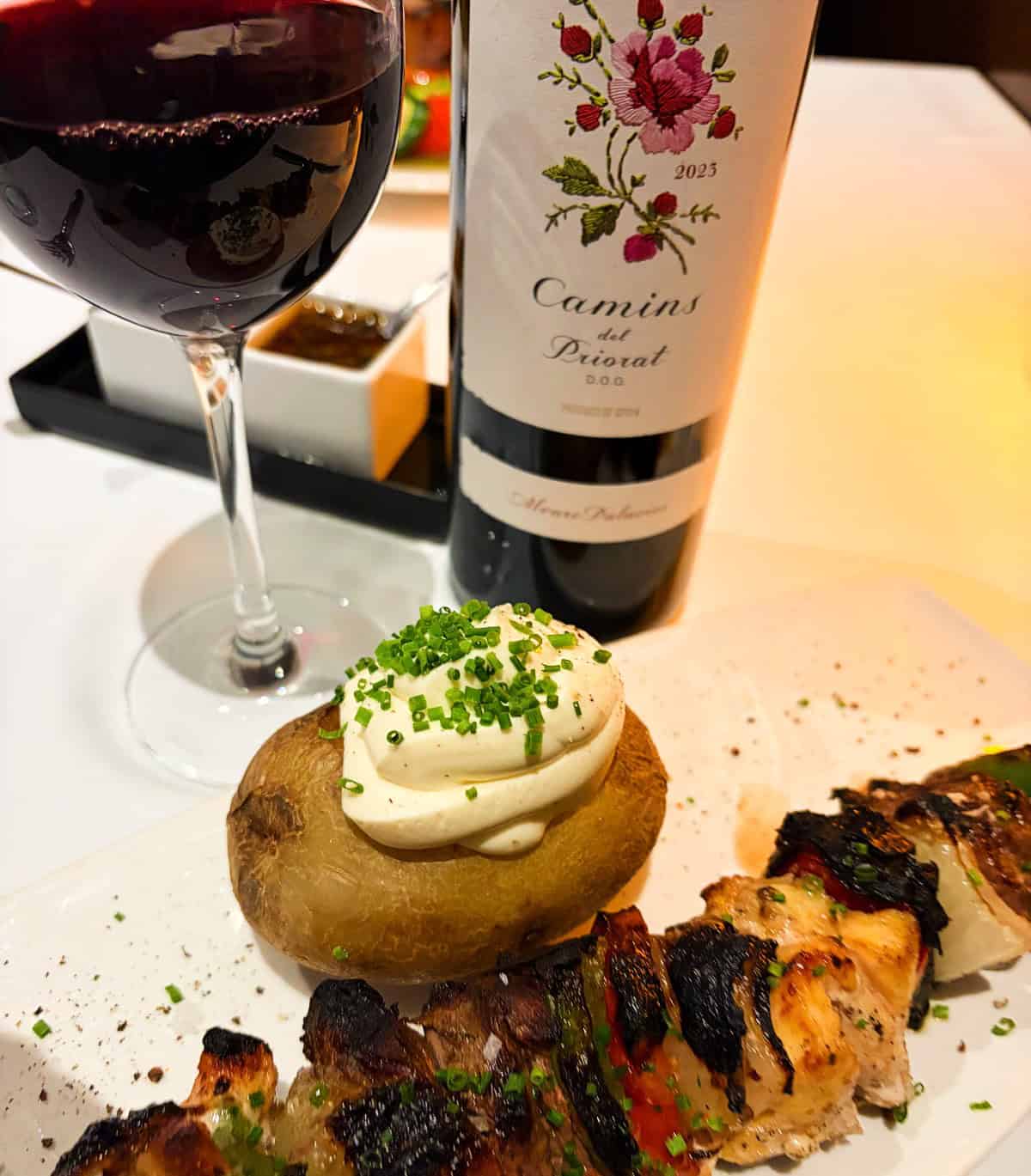
Camins del Priorat from Álvaro Palacios (2020, about $25, 14.5% ABV) is a Priorat wine I’ve enjoyed several times at home, including paired with our Steak with Carrot Top Chimichurri. It’s a blend of Syrah, Garnatxa, Merlot and Cabernet Sauvignon, with plush raspberry jam fruit, a bit of pepper and a touch of mint. Those fruit, pepper and herbal notes came together with the chimichurri steak. Palacios was among the producers who helped put Priorat on the map starting in the mid-1980s.
I inadvertently order the Camins del Priorat at an Argentine steakhouse on our last night in Barcelona, as I mentioned in an earlier post. I didn’t recognize the name from the wine list, but quickly noted the familiar label when the bottle arrived. That meal reinforced that this Priorat is a good pairing for grilled meats.
Buil & Giné “Giné Giné” comes from Gratallops, a small village in the heart of Priorat. The 2021 is a blend of Garnatxa and Carinyena (about $25, 14-15% ABV). It’s a deep, dark red with a woodsy nose and dark berry aromas, with plum and a bit of baking spice on the palate. For locals, I picked this up at Berman’s in Lexington, MA.
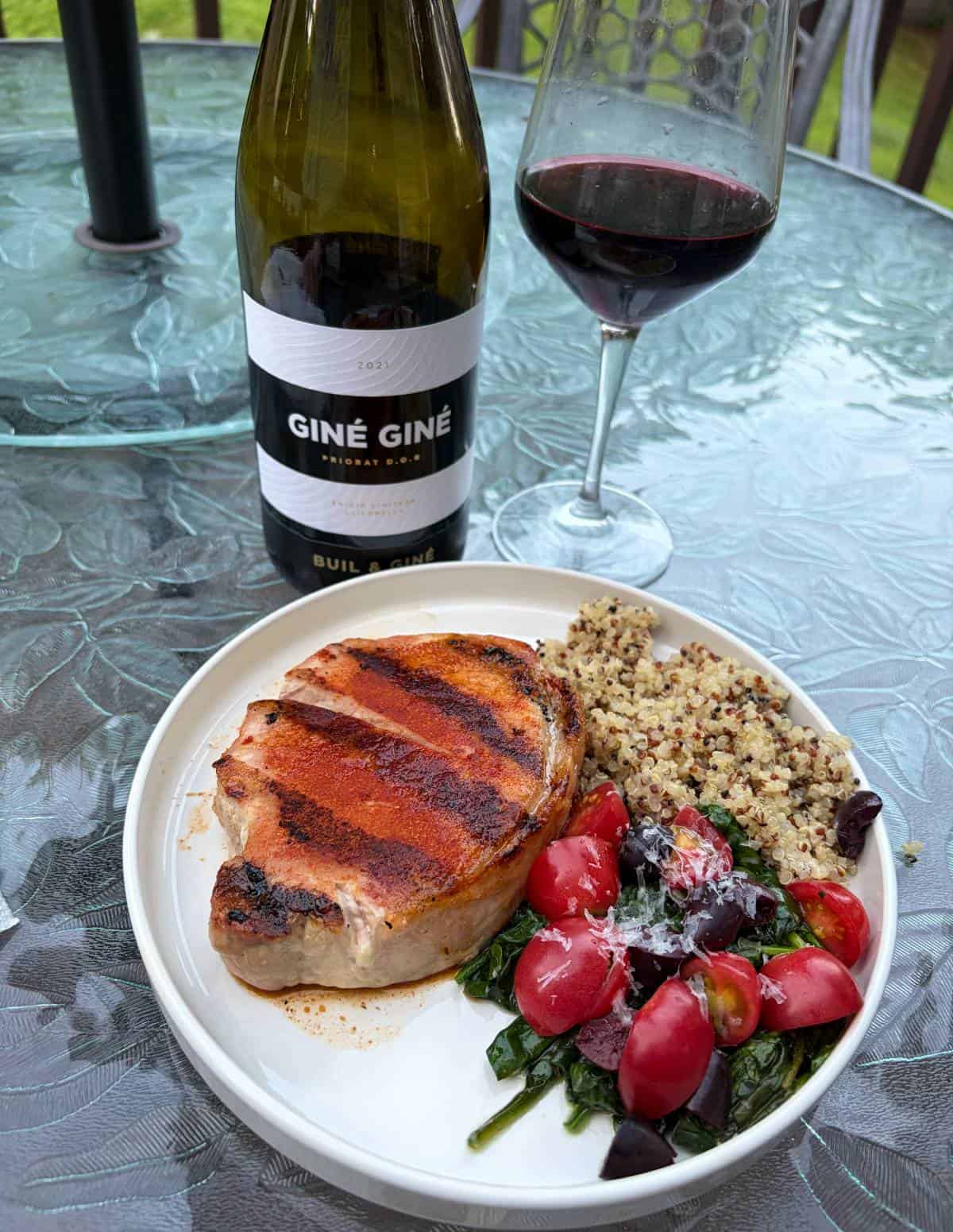
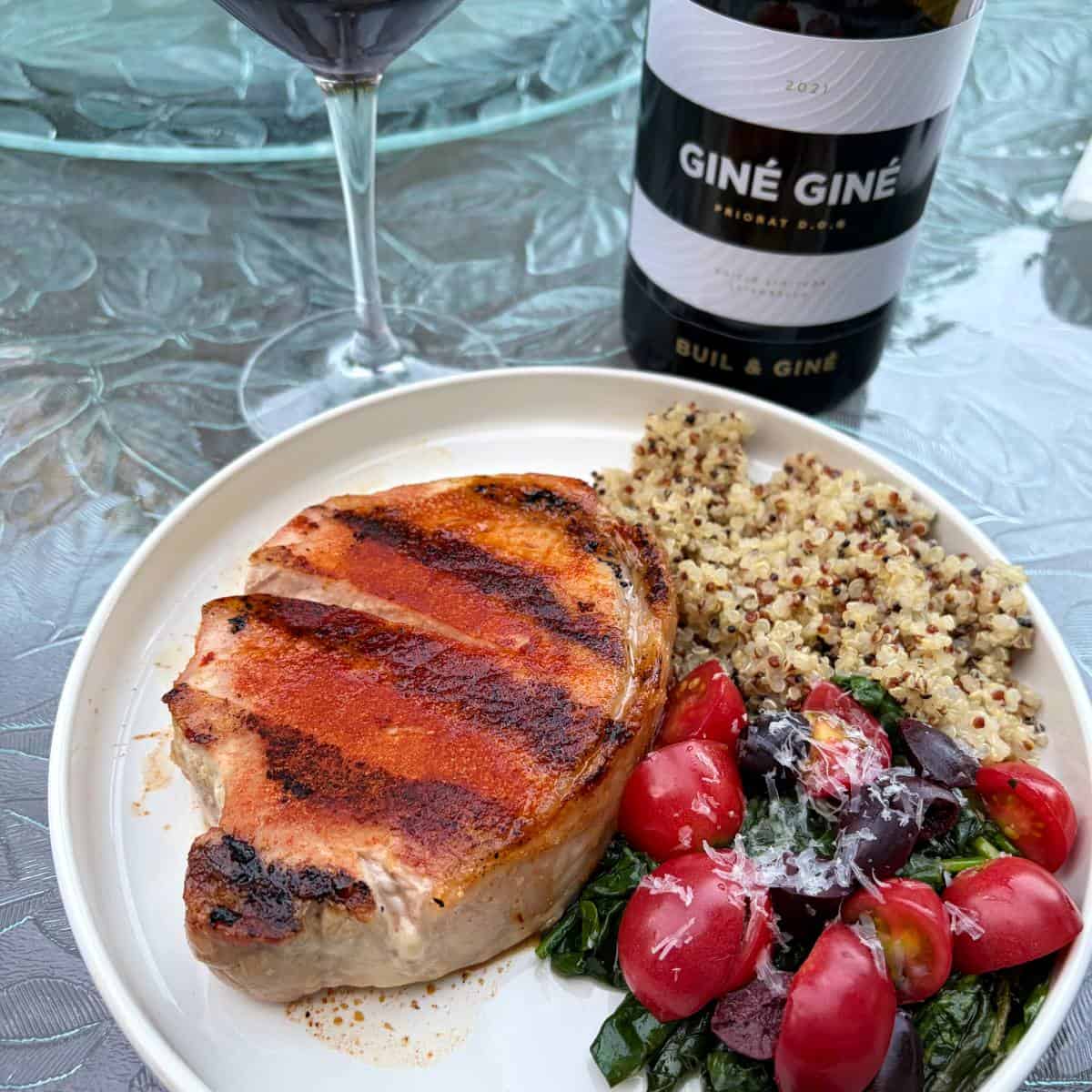
I really enjoy this bottle, very good quality for its mid-$20s price point. Not surprising with a red wine from this area so it goes really well with some of my favorite pork dishes. I featured it with my Grilled Paprika Pork Chops, where it had enough structure to stand up to the grilled flavors and the paprika rub. I’ve been working on recreating a pork and peppers dish that I enjoyed in Barcelona (stay tuned for the recipe!), and this wine also paired well with that dish.
Other Catalan Wines
I’ve found some other good Catalan wines, in addition to Priorat, since the trip.
Etiris GX from Art Laietà is an organic Garnatxa from the Alella coast, just north of Barcelona - a different corner of Catalonia from Priorat’s inland hills. I paired the 2024 with a pork tenderloin and mushrooms, and it held its own nicely alongside the earthy flavors.
Raventós i Blanc - I have good memories of grabbing a glass of local Cava before dinner in Barcelona at a neighborhood wine bar. Raventós i Blanc is a good bottle to approximate that experience back home. The producer left the Cava DO some years ago and now bottles under its own designation, but it’s still a very good traditional-method sparkling wine from Penedès, and it’s good with cheese and spicy appetizers.
North of Madrid
Not every Spanish wine I’ve been enjoying traces back to the trip itself. Some of this exploration started as we were planning the trip, and in one case, almost became part of it.
Rueda
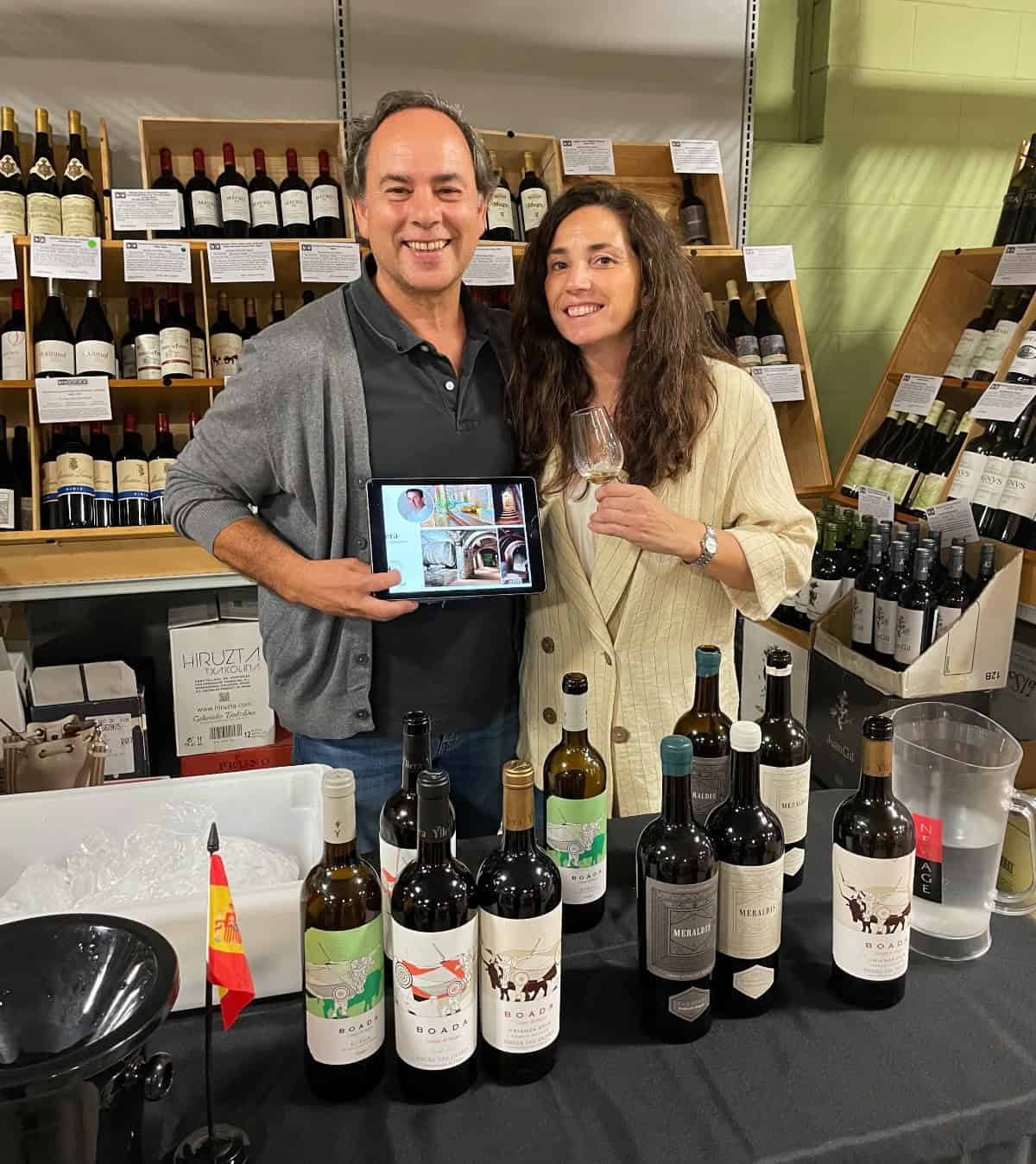
At a tasting at Bin Ends in Needham, I had the chance to sample several Grupo Yllera wines with a representative of the winery, who shared some background on the wines and the family’s winemaking tradition. It piqued my interest in possibly visiting, in part because they also have a good restaurant at the winery too. I’d hoped to work it into the Spain itinerary, but with a short trip covering several cities, it didn’t make the cut - the same story as Priorat. I picked up a few of their bottles that day, though it was the white, closer to the time of the trip, that was especially memorable.
Grupo Yllera is based in Valladolid, about two hours northwest of Madrid, and works across both Rueda, known for crisp whites from the Verdejo grape, and Ribera del Duero, known for structured reds from Tempranillo.
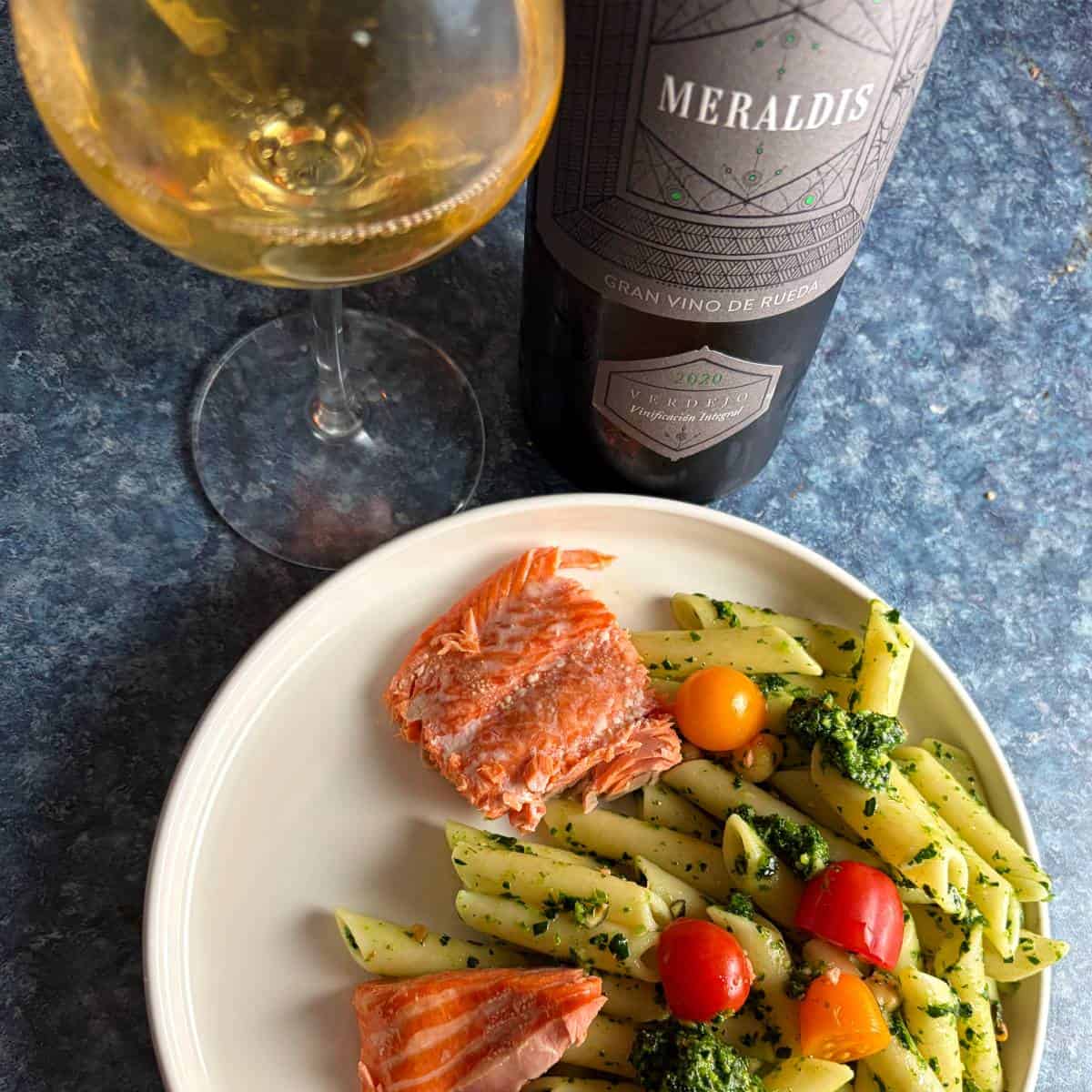
Their Meraldis Gran Vino de Rueda is a high-caliber, nuanced wine - deep golden yellow, with lemon curd, almond and a touch of spice on the palate. I paired it with Salmon with Kale Pesto Pasta, and it was a great match for the richness of the salmon and the garlicky pesto. This aged Verdejo is quite different in character compared to the simple, light Verdejos that I’ve come across more frequently.
Rioja
Rioja is Spain’s best-known wine region, known worldwide for age-worthy reds built on Tempranillo, with aging categories like Crianza, Reserva and Gran Reserva marking how long a wine has spent in barrel and bottle before release.
Much of my Spain trip inspired wine adventure has entailed branching out beyond the familiar Rioja. But it was natural when our February 2026 trip concluded in Madrid, to enjoy some Rioja along with some of our final meals in Spain.
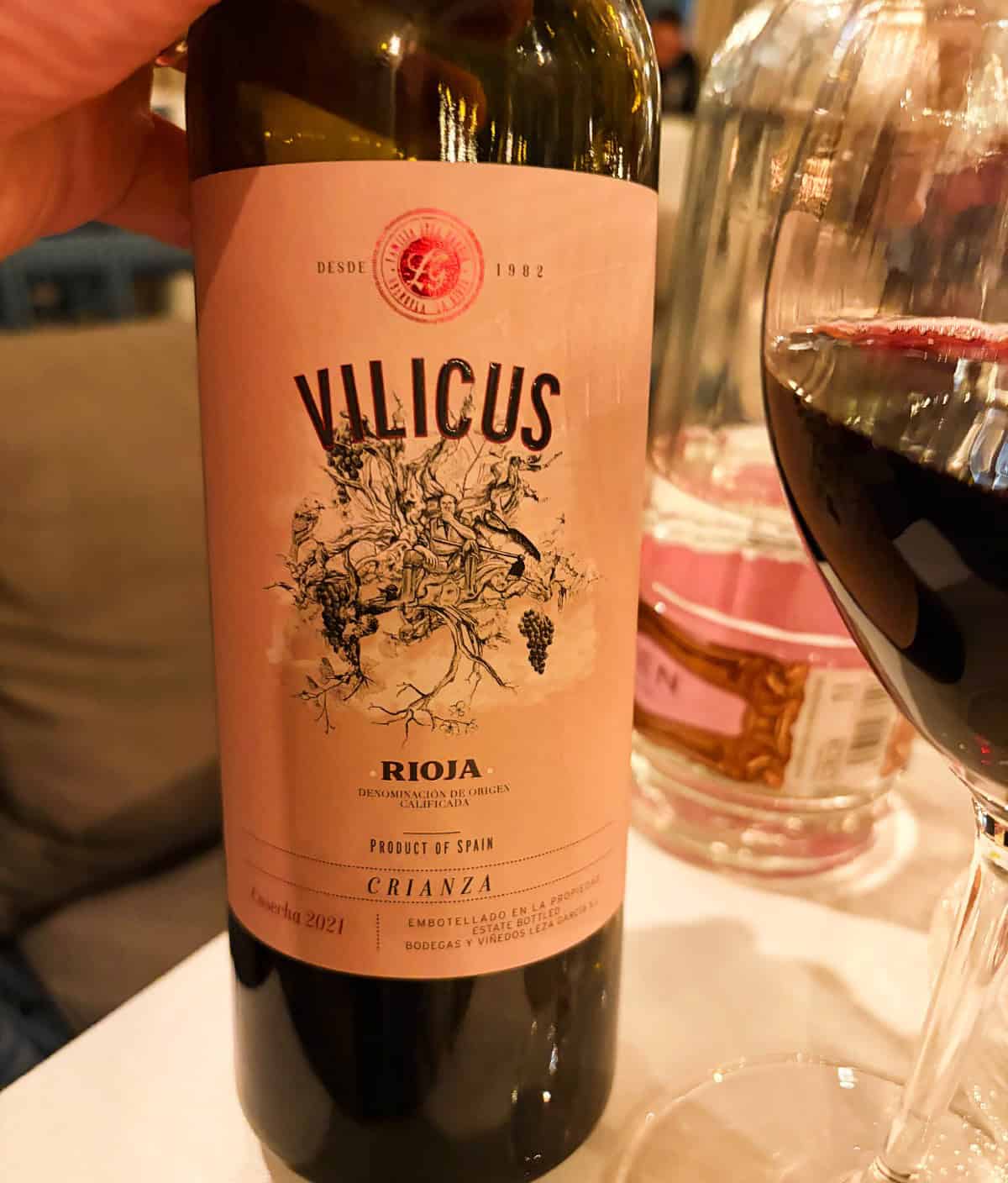
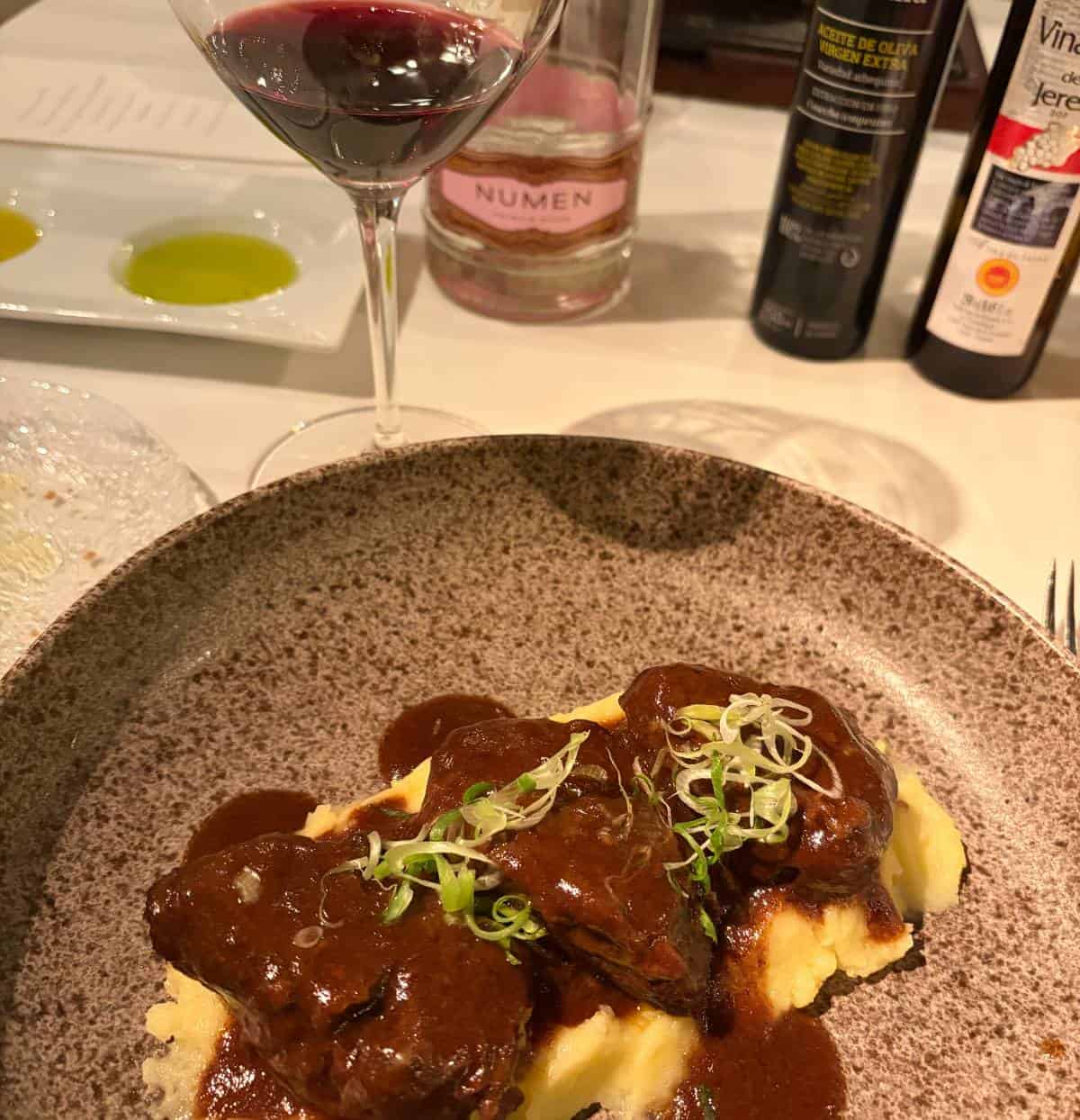
At El Patio de Atocha, we had a nice meal that included a Vilicus Rioja Crianza (2021, from Bodegas y Viñedos Leza García, a family estate dating back to 1982), which was very good paired with some braised short ribs. The restaurant was also impressively accommodating with food allergies - we’d reached out ahead of time about my son’s peanut, tree nut, and egg allergies, and when we arrived they had a pre-printed list of safe items ready for him, like they’d put it together just for us.
I started that meal with a white from outside the region - the Vionta Godello from Galicia. The crisp white was a good choice for the Caesar salad, which was freshly prepared tableside. I also picked up a bottle of Cune Crianza to enjoy while relaxing at our apartment. That red wine is a reliable pour from one of Rioja’s oldest houses.
Back home, I’ve also been bringing more Spanish flavors to my cooking. I’ve been going through that smoked paprika very quickly! That process had me updating my Grilled Paprika Pork Chops recently, which I originally paired with the LAN Crianza Rioja.
The Spain experience also had Jodi and me head to the Matador, a local Spanish restaurant, as part of our exploration of local wine bars. I ordered a glass of Señorío de P. Peciña Cosecha Rioja there. It’s a young red from Hermanos Peciña, a family winery in San Vicente de la Sonsierra, in the heart of Rioja Alta - a Tempranillo and Graciano blend, 14.5% ABV, with an approachable, fruit-forward style. In the Spanish tapas style, we had that red wine while nibbling on some mixed olives and a small order of croqettes.
Toro
Since starting work on this piece, I attended a wine dinner at the Inn at Hastings Park in Lexington featuring Bodega Numanthia and the Toro region - a nice way to mark the start of Hispanic Heritage Month. The menu, built around seasonal produce from Lexington Community Farm, paired a Spanish-inspired dinner with wines from Numanthia, founded by a family with roots in Rioja who set out to bring some of that region’s techniques to Toro’s old-vine Tempranillo, locally called Tinta de Toro.
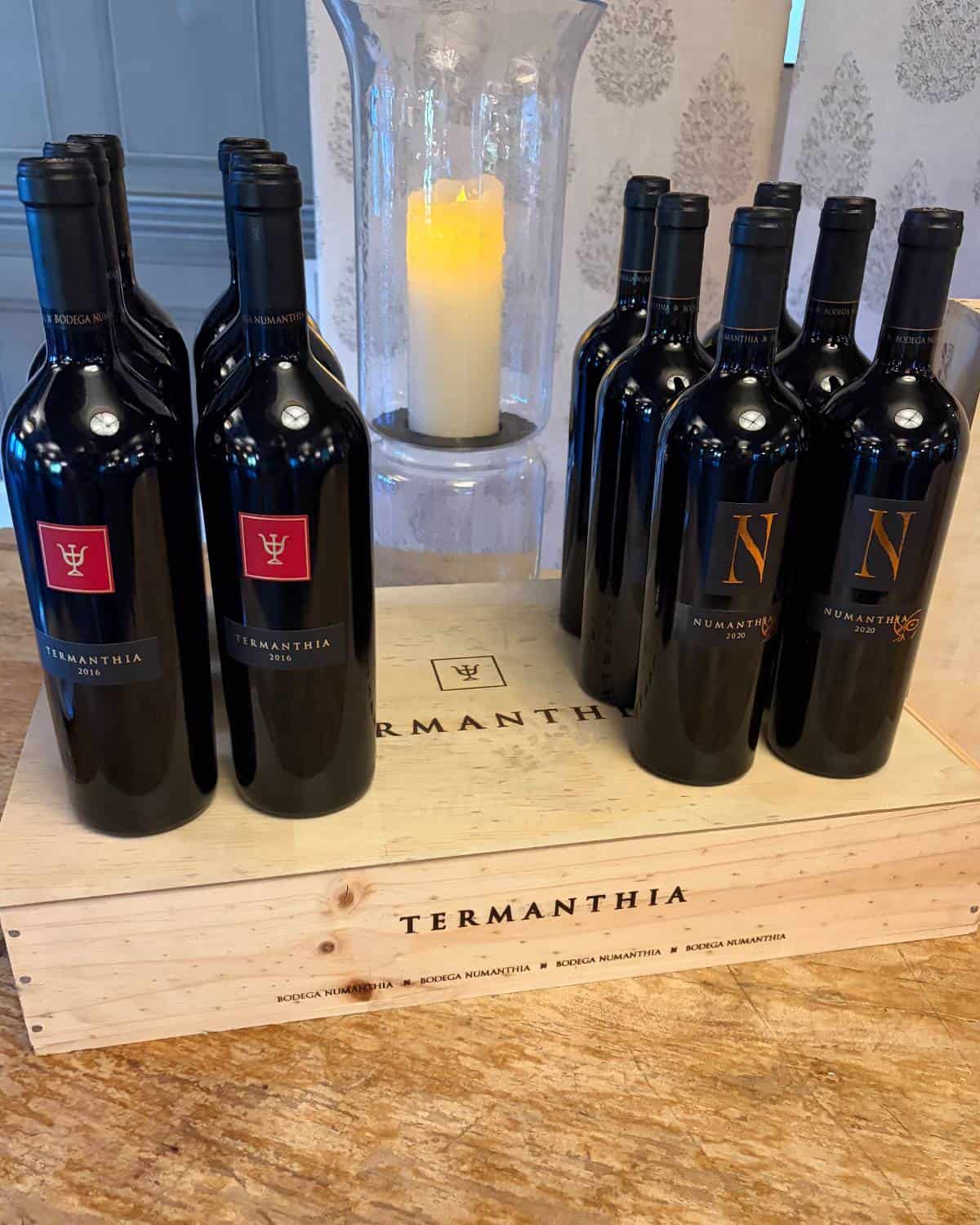

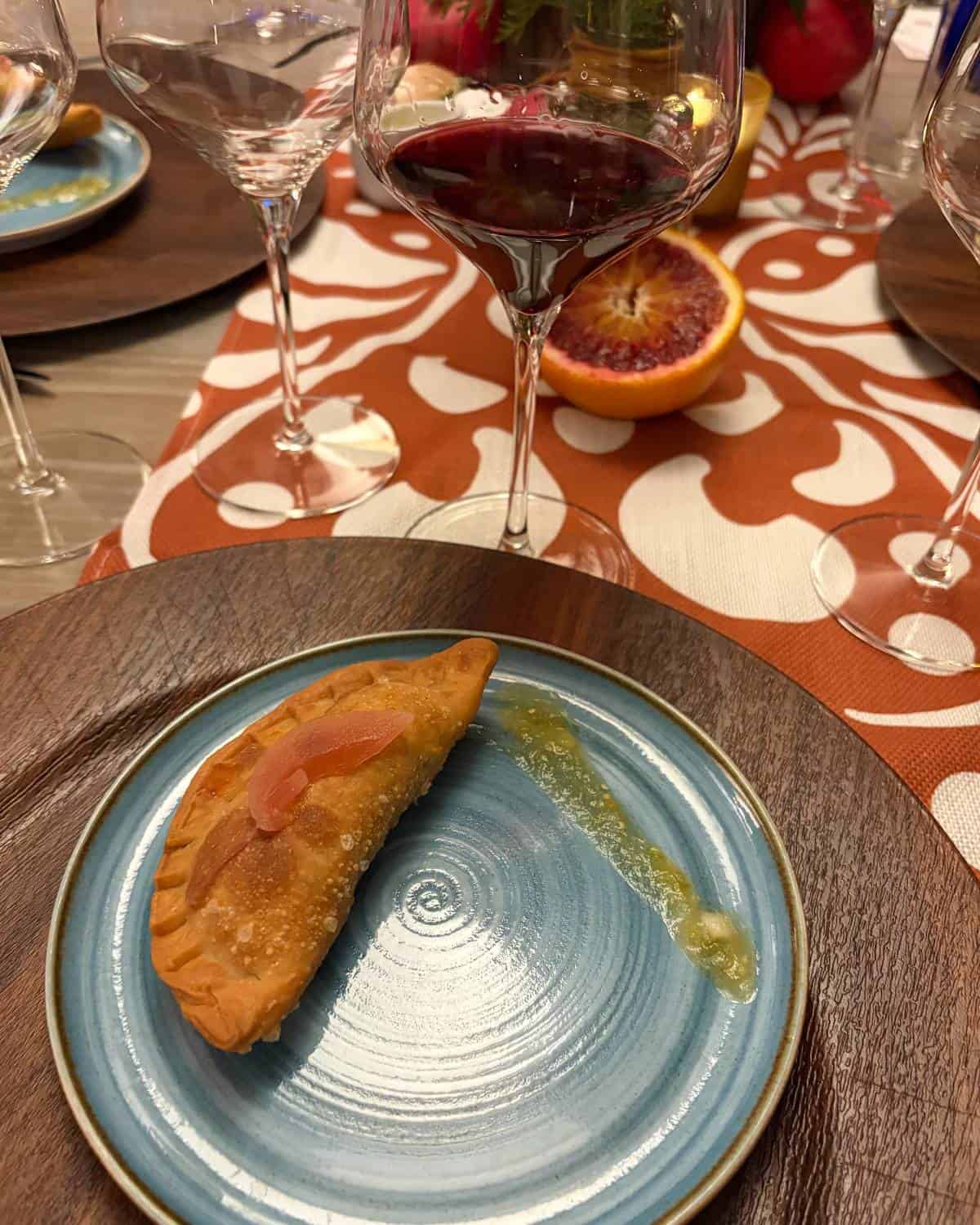
My favorite pairing of the evening was the Beef Cheek Empanada with salsa verde, paired with the 2022 Numanthia Termes. The way the robust red worked with the dish and that salsa verde topping reminded me of pairings I’d enjoyed in Spain earlier this year - simple preparations of great ingredients with well-made wine. The 2016 Numanthia Termanthia, poured alongside a dry-aged ribeye with patatas bravas, was the wine of the night: powerful yet elegant, and a good showcase of what this region is capable of.
Other Spanish Wine Inspiration
In addition to seeking out bottles from regions proximate to the places we visited, our trip to Spain has generally motivated me to grab Spanish wine more often than I did prior to the trip. I won’t attempt to give an overview of the many Spanish wine regions here; rather, I’m sharing some good Spanish wines, and the pairings I enjoyed with them, hoping to inspire some of your own Spanish wine pairings - and perhaps a trip.
Atteca Old Vines Garnacha is one I’ve opened a couple of times since getting back - a different grape and region from anything else here, but the same instinct behind it. It’s from Calatayud, in Aragón, made by Bodegas Ateca from old-vine Garnacha grown on slate soils at high elevation. I paired the 2022 with Slow Cooker Pulled Pork, and it held up well - raspberry fruit, soft but structured tannins, with a bit more heft than the lighter Garnachas I’ve come across.
Altitud Garnacha Vino de Pueblo comes from Sierra de Gredos, west of Madrid. This first landed in one of my Berman’s monthly wine club selections, which focuses on under-the-radar finds the shop wants to highlight. I enjoyed it enough to grab it a few times since then, as for $25 this is a great value.
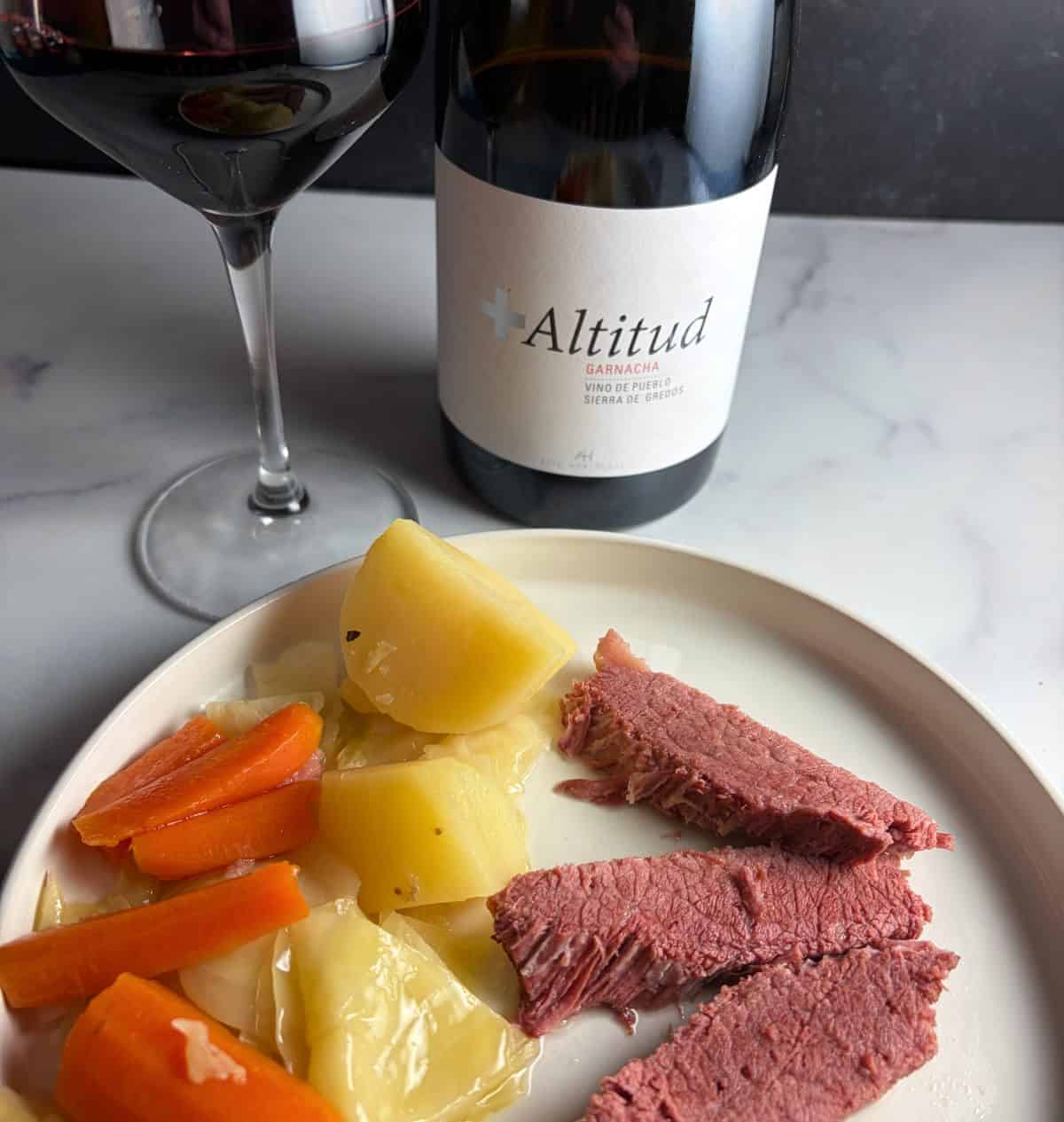
I first had the Altitud Garnacha with corned beef and cabbage for St. Patrick’s Day, part of my ongoing quest to find good wine pairings for corned beef. This St. Pat’s pairing worked quite well, and the Garnacha was also good with pork tenderloin and mushrooms.
Albariño is Spain’s best-known white, but I didn’t have it much in Spain. I do recall enjoying a glass when we stopped for refreshments, walking to the Barcelona beach area from our apartment.

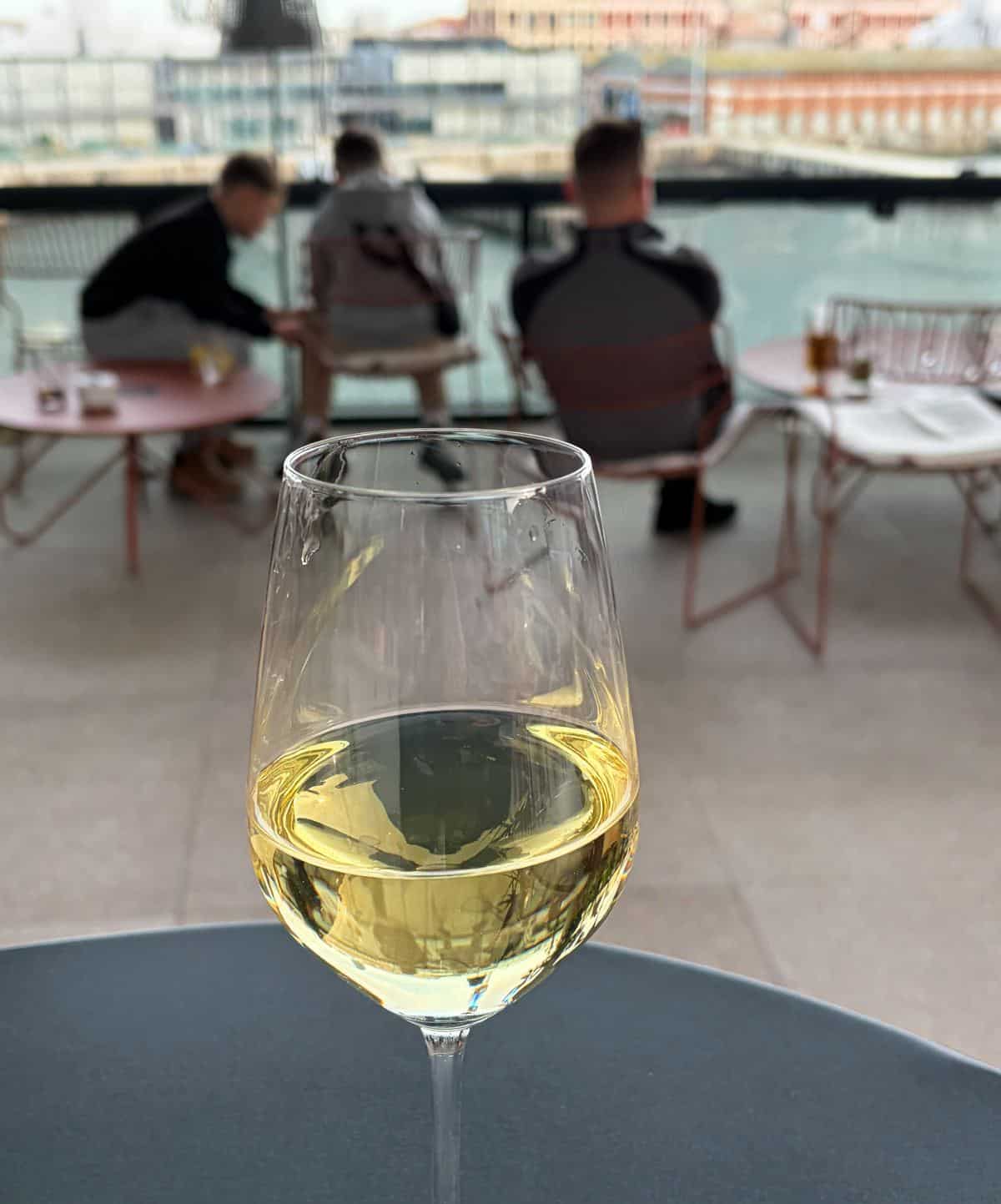
I’ve written before about Albariño from Rías Baixas, predating this trip, and I’m sure I’ll be coming back to this food-friendly white.
For more Spanish wine inspiration, check out this Spanish Wine Regions virtual tour I did a few years back.
Pulling this article together has been a fun way to relive our trip to Spain. Pouring Spanish wine is a good way to savor those memories, and a good excuse to keep exploring what else this country has to offer, one bottle at a time.
Leave a Reply